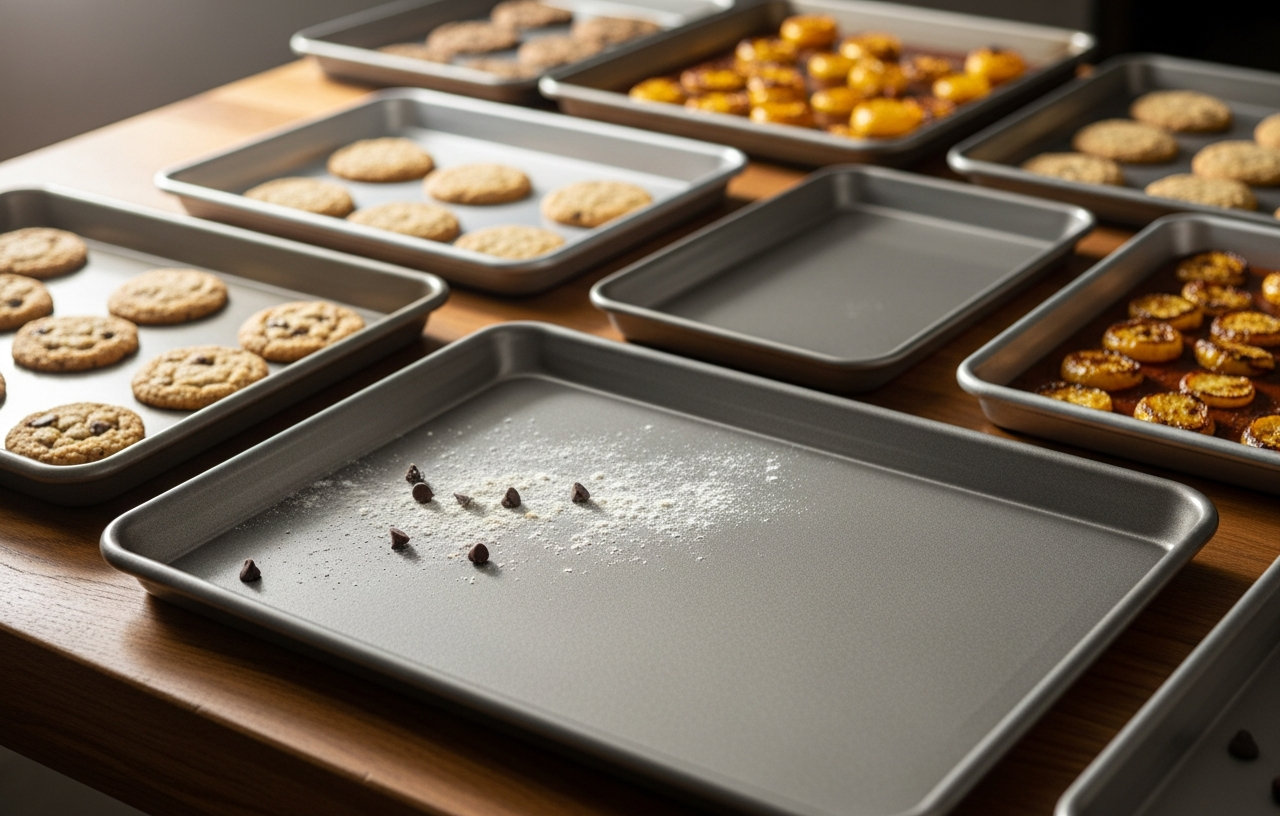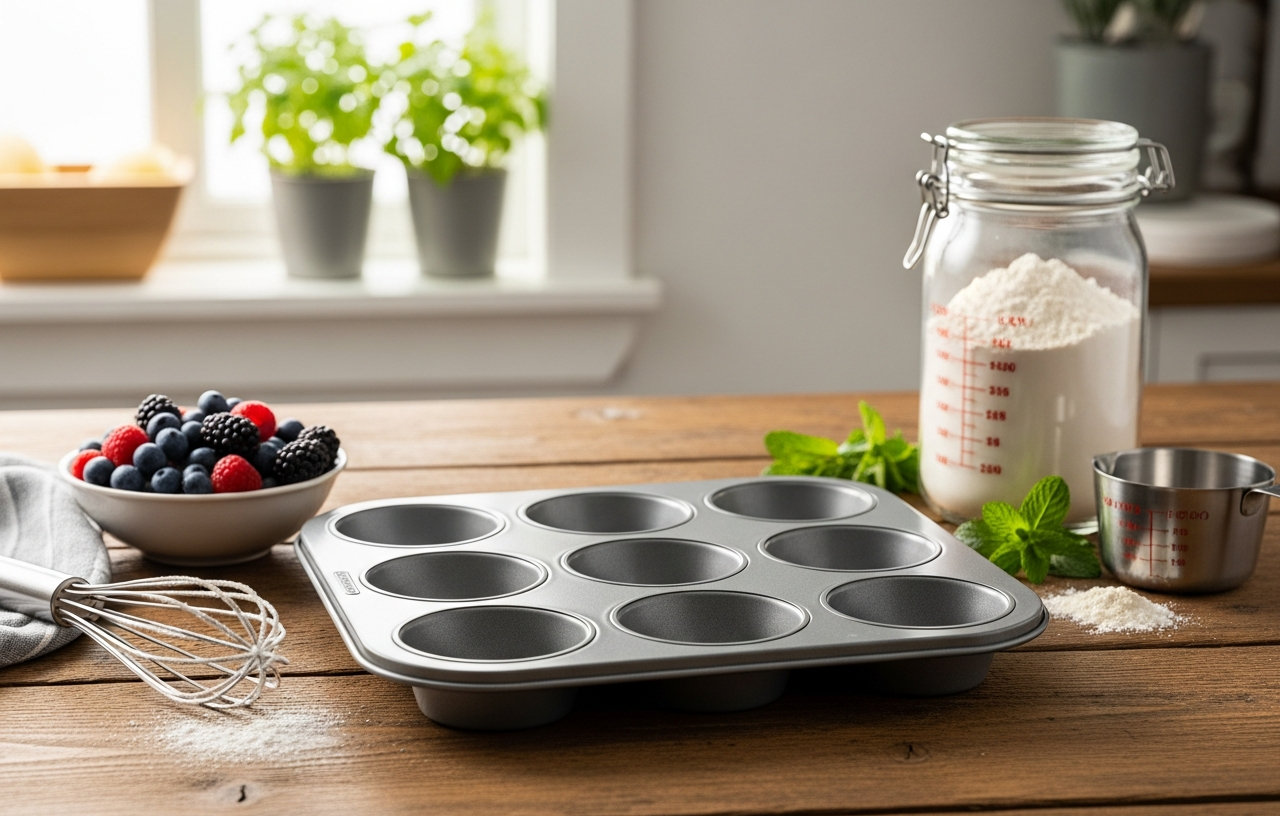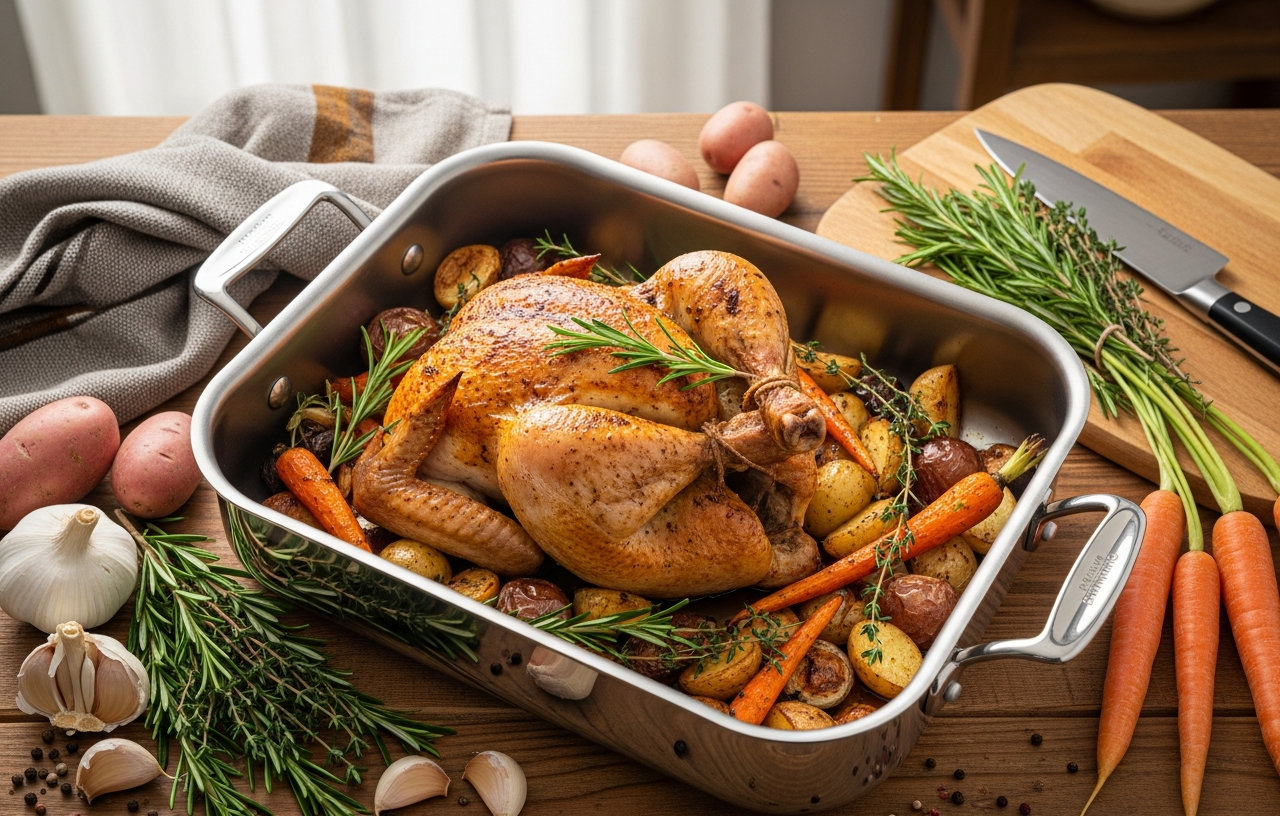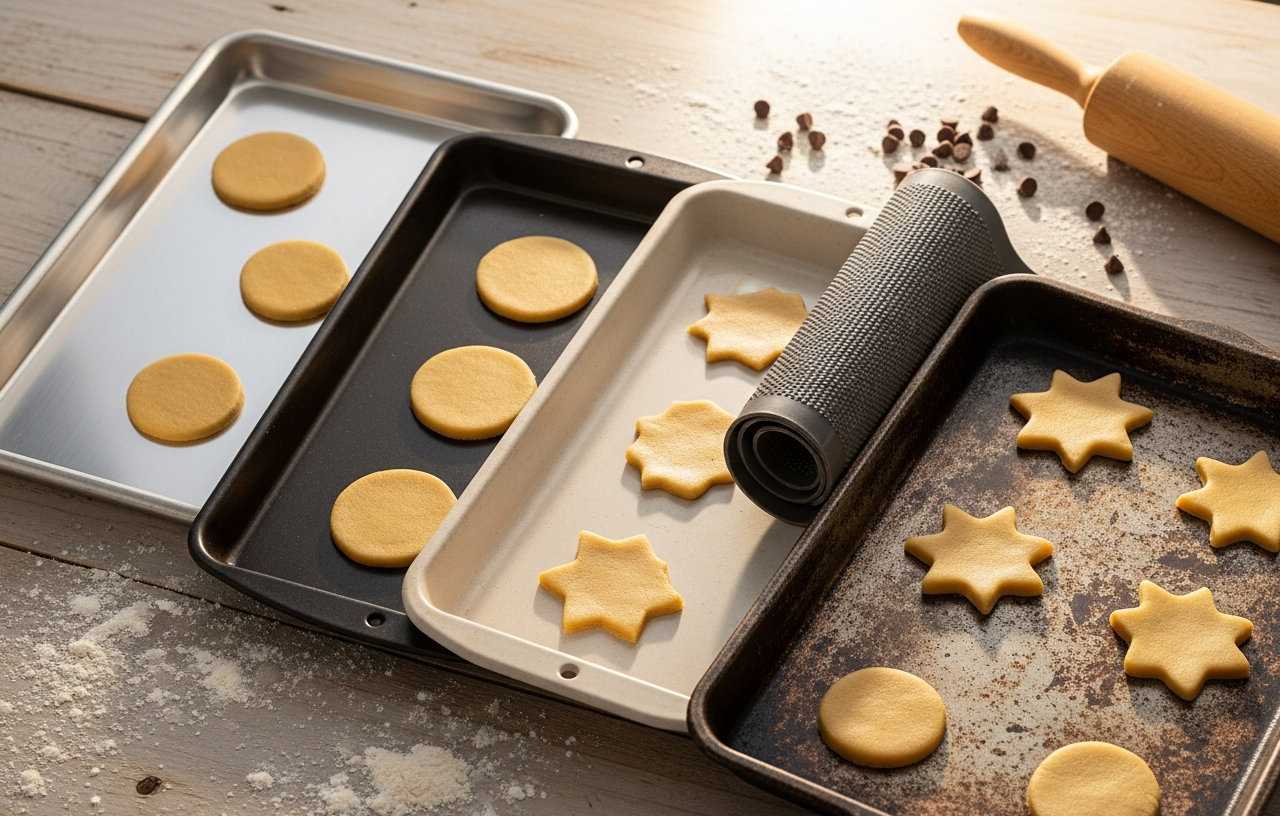
The material of a baking sheet directly impacts heat distribution, cooking consistency, and overall durability. Different materials offer distinct advantages and disadvantages, influencing everything from how evenly your cookies bake to the lifespan of the pan itself. Understanding these differences helps home cooks select the best bakeware for their specific culinary tasks.
Baking sheets are fundamental kitchen tools, used for roasting vegetables, baking cookies, crisping bacon, and much more. Their performance hinges on how well they conduct and radiate heat, how they react to different food types, and their resistance to warping under high oven temperatures. The primary materials available for baking sheets are aluminum, various forms of steel, and silicone.
Aluminum Baking Sheets: The Standard for Even Baking
Aluminum is the most common material for baking sheets, largely due to its exceptional heat conductivity. This material is lightweight, rust-resistant, and relatively inexpensive, making it a popular choice for both home and professional kitchens.
Types of Aluminum Baking Sheets
Most aluminum baking sheets are made from commercial-grade aluminum alloy, often 3003 or 1100 series, which offers a balance of strength and thermal performance. Sheet thickness is measured in gauges, with lower gauge numbers indicating thicker, more robust pans. A 16-gauge (approximately 1.29 mm) or 18-gauge (approximately 1.02 mm) aluminum sheet is considered professional-grade and less prone to warping than thinner 20- or 22-gauge options. Expect to pay between $10 and $30 for a good quality 18-gauge aluminum sheet pan.
Uncoated vs. Anodized Aluminum
Standard uncoated aluminum sheets have a bright, reflective surface that helps prevent over-browning. However, aluminum can react with acidic foods, such as tomatoes or citrus, potentially imparting a metallic taste or causing discoloration. This reactivity is a concern for some cooks.
Anodized aluminum undergoes an electrochemical process that thickens the natural oxide layer on its surface. This layer makes the pan harder, more durable, and significantly less reactive to acidic foods. Anodized aluminum sheets typically have a darker, matte finish. This darker surface absorbs more heat, which can lead to faster or more intense browning. Anodized aluminum pans are generally more expensive than uncoated versions, often in the $20 to $40 range.
Are Aluminum Baking Sheets Safe and Healthy?
Concerns about aluminum leaching into food and its potential health effects have been widely discussed. Research indicates that the amount of aluminum that leaches into food from cookware is generally minimal and considered safe by regulatory bodies like the World Health Organization. The human body efficiently excretes small amounts of aluminum. Using parchment paper or silicone baking mats can further reduce direct food contact with the aluminum surface, if this is a concern. For those seeking the healthiest baking sheet, uncoated aluminum is generally considered safe for everyday use, particularly with non-acidic foods.
Aluminized Steel Baking Sheets: Durability Meets Performance
Aluminized steel represents a hybrid approach, combining the strength and durability of steel with the heat conduction benefits of aluminum. These sheets feature a steel core, typically carbon steel, coated on both sides with an aluminum-silicone alloy. This construction offers several advantages over pure aluminum or stainless steel.
Construction and Performance
The steel core provides excellent rigidity, making aluminized steel sheets highly resistant to warping, even at high temperatures. The aluminum-silicone coating ensures good heat reflectivity and even distribution, preventing hot spots and promoting consistent browning. The silicone component in the alloy also provides a slight nonstick property, though it is not a full nonstick coating. These pans often have a slightly darker, duller finish than bright aluminum, which can enhance browning.
Aluminized steel baking sheets are known for their robustness and long lifespan. They are heavier than pure aluminum sheets of comparable size and thickness. A high quality aluminized steel sheet pan, often 18 or 20 gauge, can cost between $20 and $50.
Health and Safety of Aluminized Steel
Aluminized steel is generally considered a very safe and healthy baking sheet option. The aluminum-silicone alloy coating acts as a barrier, preventing direct contact between food and the steel core. The coating itself is non-reactive, making it suitable for all types of foods, including acidic ones. The silicone in the coating is bonded at a molecular level and does not flake off. Many professional bakeries and commercial kitchens rely on aluminized steel bakeware due to its performance and safety.
For more insights into durable bakeware, consider exploring options like those discussed in our article on Best Baking Sheets: Rimmed Sheet Pans That Bake Evenly and Last.
Stainless Steel Baking Sheets: Robust but Less Even
Stainless steel baking sheets are celebrated for their exceptional durability, non-reactivity, and aesthetic appeal. They resist rust, corrosion, and staining, making them a long-lasting addition to any kitchen. However, stainless steel has a significant drawback: it is a poor conductor of heat compared to aluminum.
Heat Distribution and Performance Issues
Due to its low thermal conductivity, stainless steel heats unevenly. This can lead to hot spots and cold spots on the pan's surface, resulting in unevenly baked or browned food. Cookies might be burnt in one area and undercooked in another. To mitigate this, some manufacturers use thicker gauges of stainless steel or incorporate an encapsulated aluminum core, though this is less common for flat baking sheets and more typical for pots and pans.
Thinner stainless steel sheets are also prone to warping when exposed to sudden temperature changes, such as placing a cold pan into a hot oven or running cold water over a hot pan. This warping can be a nuisance, causing the pan to buckle and make noise in the oven.
Stainless steel baking sheets typically range from $25 to $60, with thicker, heavier models at the higher end.
Is Stainless Steel a Safe and Healthy Baking Sheet Option?
Stainless steel is widely regarded as one of the safest and healthiest materials for cookware and bakeware. It is non-reactive, meaning it will not leach metals into food or alter its taste, even with highly acidic ingredients. The material is also very easy to clean and maintain. For those prioritizing a non-reactive surface above all else, stainless steel is an excellent choice, provided its uneven heating characteristics are understood and managed.
To compare stainless steel with other common cookware types, read our guide on Stainless Steel vs Nonstick Cookware: Which Is Better?
Silicone Baking Mats and Sheets: Nonstick and Flexible
Silicone is a synthetic polymer known for its flexibility, nonstick properties, and wide temperature tolerance. While not a rigid baking sheet on its own, silicone is frequently used as baking mats placed on top of metal sheets, or as standalone flexible baking sheets, especially for delicate items like macarons or meringues.
Performance and Use Cases
Silicone mats provide an excellent nonstick surface, eliminating the need for parchment paper or greasing. They are incredibly easy to clean. Silicone can withstand temperatures typically from -40°F to 500°F (-40°C to 260°C), making them safe for both freezing and baking. However, silicone does not conduct heat in the same way metal does. It insulates rather than transfers heat, which means food baked directly on silicone will not brown as much on the bottom. This can be desirable for certain baked goods but is a disadvantage if you want crispy edges or a golden crust.
Flexible silicone baking sheets, often with reinforced rims, are available for items like sheet cakes or brownies. These require careful handling when full due to their flexibility. Silicone baking mats typically cost between $8 and $25 per mat, while full silicone baking pans might be $15 to $35.
Are Silicone Baking Sheets Safe and Healthy?
high quality, food-grade silicone, specifically platinum-cured silicone, is generally considered safe for baking. It is non-toxic, non-reactive, and does not leach chemicals into food. low quality silicone, often indicated by a strong chemical smell or white residue when twisted, may contain fillers. Always check for FDA or European food safety standards certification when purchasing silicone bakeware. For the healthiest baking sheet in this category, choose platinum-cured silicone.
Other Materials: Glass and Ceramic
While less common for flat baking sheets, glass and ceramic bakeware are often used for casseroles, roasted dishes, and some baked goods. These materials are non-reactive and retain heat very well, leading to even cooking once heated. However, they are poor conductors of heat, meaning they take longer to heat up and can sometimes lead to uneven baking if the oven temperature is not perfectly stable. They are also prone to thermal shock, which can cause them to crack if exposed to rapid temperature changes. Glass and ceramic baking dishes typically cost $15 to $40.
Factors to Consider When Choosing a Baking Sheet Material
Selecting the best material for a baking sheet involves weighing several key factors:
- Heat Conductivity: Aluminum and aluminized steel excel here, ensuring even baking and browning. Stainless steel is poor.
- Durability and Warp Resistance: Aluminized steel and thicker-gauge aluminum are highly resistant. Stainless steel can be durable but may warp if thin.
- Reactivity: Stainless steel and anodized aluminum are non-reactive. Uncoated aluminum can react with acidic foods. Silicone is non-reactive.
- Nonstick Properties: Silicone mats offer the best natural nonstick performance. Aluminized steel has slight nonstick properties. Many aluminum and steel pans are available with applied nonstick coatings, but these coatings have their own considerations regarding durability and chemicals.
- Ease of Cleaning: Silicone is often the easiest. Nonstick-coated metal pans are also simple. Uncoated metal pans may require more effort for stubborn baked-on residues.
- Cost: Uncoated aluminum is typically the most affordable. Aluminized steel and stainless steel are moderately priced.
- Intended Use: For crispy cookies and roasted vegetables, aluminum or aluminized steel is ideal. For delicate items needing zero stick, silicone is best. For heavy duty roasting of large cuts of meat, a robust stainless steel roasting pan might be preferred over a flat sheet.
Care and Maintenance by Material Type
Proper care extends the life of any baking sheet, regardless of material.
- Aluminum (Uncoated and Anodized): Hand washing with warm, soapy water is recommended. Avoid abrasive scrubbers or harsh detergents, as these can damage the finish, especially on anodized surfaces. Do not wash in a dishwasher, as the harsh detergents can cause discoloration and pitting, particularly for uncoated aluminum.
- Aluminized Steel: Most aluminized steel pans are safe for hand washing. Some manufacturers claim dishwasher safety, but hand washing preserves the coating and extends the pan's life. Avoid metal utensils that can scratch the surface.
- Stainless Steel: Stainless steel is very durable and generally dishwasher safe. For stubborn baked-on food, soaking and using a non-abrasive scrubber is effective. Bar Keepers Friend can help remove discoloration and restore shine.
- Silicone: Silicone mats and pans are typically dishwasher safe. They can also be easily hand washed with warm, soapy water.
The best material for a baking sheet depends on what you bake most often and your priorities for performance, durability, and health. Aluminum and aluminized steel offer a balance of excellent heat distribution and durability for most home baking tasks. Stainless steel provides unmatched robustness for certain uses, and silicone is indispensable for its nonstick qualities and flexibility.