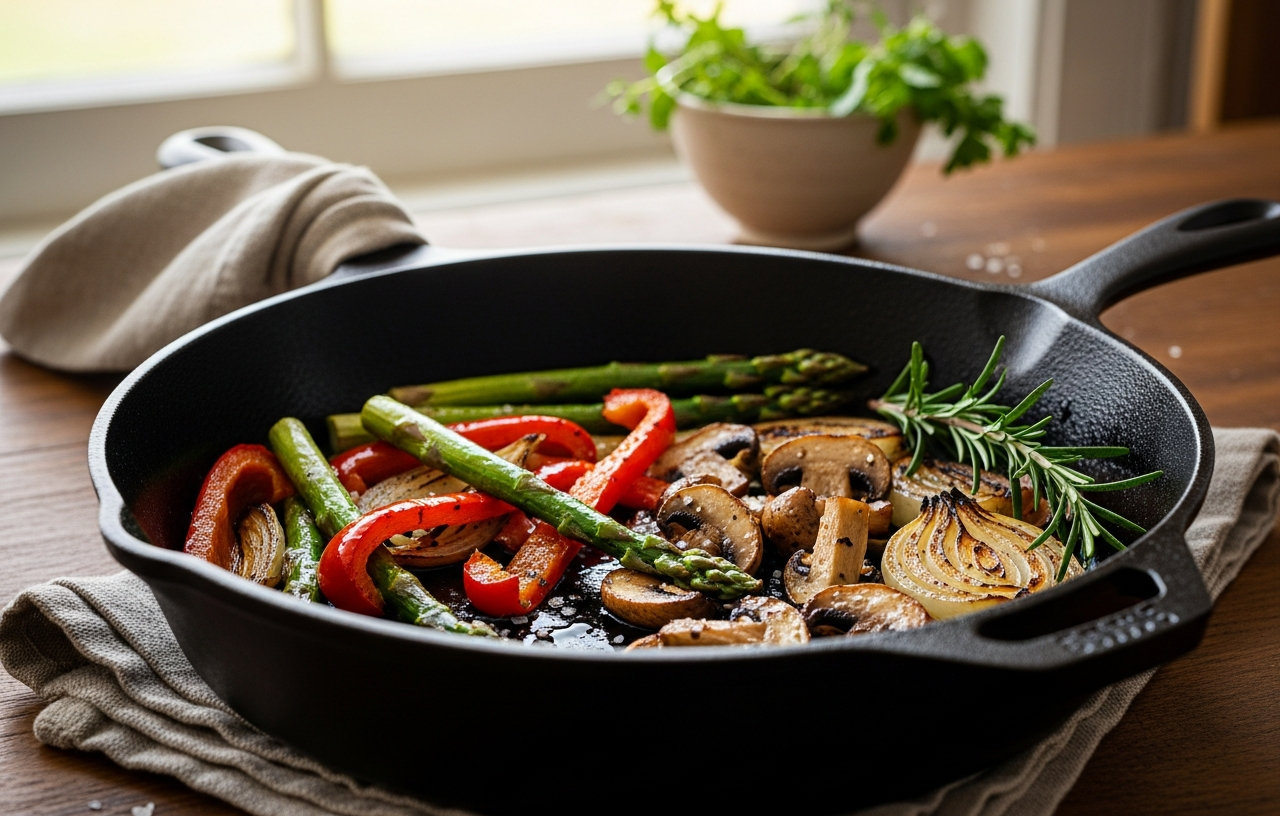
A common issue with cast iron cookware is food sticking and burning, leaving behind stubborn, carbonized residue. This problem is often a result of improper heat management or insufficient fat during cooking. Fortunately, burnt-on food does not signal the end for your beloved cast iron skillet or Dutch oven. With the right approach, you can restore your pan, remove burnt food from cast iron, and maintain its valuable seasoning.
This guide provides a step by step process for how to clean burnt food from cast iron pan surfaces, moving from gentler methods to more intensive ones.
Why Food Burns Onto Cast Iron Surfaces
Understanding why food burns helps prevent future occurrences. Cast iron retains heat exceptionally well, but it also heats unevenly without proper preheating. Hot spots can quickly scorch food. Using too little cooking oil or fat, or not allowing the pan to reach the correct temperature before adding food, also contributes to sticking and burning.
A well-seasoned pan creates a natural nonstick surface, but this layer can degrade over time or with improper care, leading to situations where you need to remove burnt food from cast iron.
Initial Steps: Cool Down and Gentle Scrape
Do not try to clean a hot cast iron pan with cold water; this can cause thermal shock, potentially cracking or warping the metal. Let the skillet cool completely to room temperature. Once cool, use a non-abrasive tool, such as a wooden spoon or a silicone spatula, to gently scrape away any loose, charred bits.
Method 1: Hot Water Soak and Scrape
This is often the most effective first line of defense for how to clean burnt food off cast iron. It relies on softening the burnt material, making it easier to remove.
- Add Hot Water: Fill the pan with hot water, enough to cover the burnt areas.
- Soak: Let the pan sit for 15-30 minutes. For very stubborn messes, you can place the pan on the stove over low heat and bring the water to a gentle simmer for 5-10 minutes, then let it cool before proceeding.
- Scrape: Once the burnt food has softened, drain most of the water. Use a stiff nylon brush or a plastic pan scraper to dislodge the residue. The Lodge Cast Iron Pan Scrapers, available in a 2-pack, are made of durable polycarbonate and feature multiple angles and edges. These allow you to reach corners, curves, and cooking surfaces effectively, making them ideal for scraping softened burnt food without damaging the pan's seasoning.
After scraping, rinse the pan and check for any remaining burnt spots. If the pan looks clean, proceed to drying and re-seasoning.
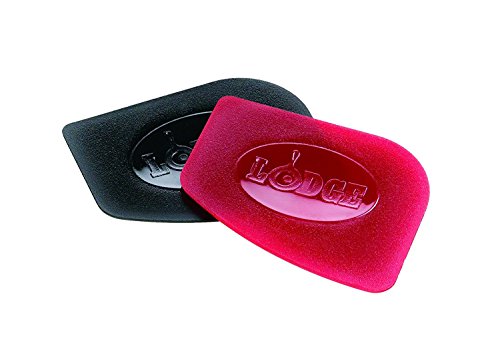
- Durable Polycarbonate Design: These handheld pan scrapers feature sturdy polycarbonate construction.
- Corner to Corner Cleaning: Multiple angles and edges help reach corners, curves, and cooking surfaces for.
- Reusable Kitchen Essential: Designed for repeated use, these durable cleaning tools help simplify cookware.
- About Lodge Cast Iron: Lodge creates durable cookware accessories designed to support everyday cooking.

Method 2: Coarse Salt Scrub for Stubborn Residue
When hot water and scraping are not enough, a coarse salt scrub provides gentle abrasion to lift away burnt food without harsh chemicals.
- Dry the Pan: Make sure the pan is dry.
- Add Coarse Salt: Sprinkle a generous amount of coarse salt (like kosher salt or sea salt) into the pan, focusing on the burnt areas. About 1/4 cup is usually sufficient for a 10-inch skillet.
- Add a Little Oil: Pour in a tablespoon or two of cooking oil (vegetable, canola, or grapeseed oil works well) to create a paste.
- Scrub: Using a stiff brush, a wadded-up paper towel, or a specialized cast iron scrubber, vigorously scrub the burnt areas. The PIBC 8"x6" Cast Iron Scrubber Stainless Steel Chainmail Cleaner is an excellent tool for this task. Its unique chainmail design allows for safe and effective treatment of pre-seasoned pans, griddles, and BBQ grills. Made of durable stainless steel, it does not rust or scratch the surface of your cast iron, helping to remove food residue, buildup, and stains efficiently. The salt acts as an abrasive, while the oil helps to lubricate and lift the carbonized food.
- Rinse and Repeat: Rinse the pan thoroughly with hot water. If some burnt spots remain, repeat the salt scrub process.
This method is highly effective for how to get burnt stuff off cast iron without resorting to soap, which many cast iron enthusiasts prefer to avoid to preserve seasoning.
How to Season a Cast Iron Skillet: Build a non stick Surface

- Clean your cast iron pans with the uniquely designed chainmail that allows for safe treatment of pan
- Our chainmail scrubber is made of durable stainless steel that does not rust or scratch the surface of the.
- Using a cast iron cleaner helps to remove food residue, buildup, and stains from your cast iron cookware.
- 8 by 6 inches scrubber doesn't take up much space in a drawer. It is easy to hang on a hook near your sink.


Method 3: Baking Soda Paste for Heavy Carbonization
Baking soda is a mild abrasive and a natural deodorizer, making it useful for how to clean cast iron skillet with burnt on food, especially for more ingrained stains.
- Create a Paste: Mix baking soda with a small amount of water to form a thick paste.
- Apply: Spread the paste over the burnt-on food, making sure to cover all affected areas.
- Let Sit: Allow the paste to sit on the burnt spots for several hours, or even overnight, to break down the carbonized food.
- Scrub: Use a stiff brush or a Lodge pan scraper to scrub the pan. The baking soda, combined with the sitting time, helps loosen the burnt material.
- Rinse: Rinse the pan thoroughly with hot water.
Method 4: Boiling Water and Scrape
For particularly heavy layers of burnt food, boiling water directly in the pan can be an aggressive but effective solution.
- Fill with Water: Add about an inch of water to the cast iron pan.
- Boil: Place the pan on the stove and bring the water to a rolling boil.
- Scrape Carefully: While the water is boiling, use a wooden spoon or a Lodge pan scraper to carefully scrape at the burnt-on food. The boiling action and steam will help loosen the hardened residue. Use caution to avoid splashes of hot water.
- Cool and Clean: Remove the pan from heat and allow it to cool completely. Once cool, empty the water and proceed with a scrub using the PIBC chainmail cleaner or a stiff brush to remove any remaining loosened bits.
Cleaning Enameled Cast Iron Surfaces
While the primary focus is often raw cast iron, enameled cast iron cookware, such as Dutch ovens, can also suffer from burnt-on food. The cleaning approach differs significantly because enameled surfaces are not meant to be seasoned and can be scratched by harsh abrasives.
For burnt food on enameled cast iron, avoid metal scrubbers like chainmail and highly abrasive materials like coarse salt. Instead, try these steps:
- Hot Water Soak: Fill the enameled pot with hot water and a few drops of dish soap. Let it soak for several hours or overnight.
- Gentle Scrape: Use a wooden or silicone utensil to gently scrape away softened food.
- Baking Soda Paste: For stubborn stains, apply a paste of baking soda and water. Let it sit for an hour, then gently scrub with a non-abrasive sponge or cloth.
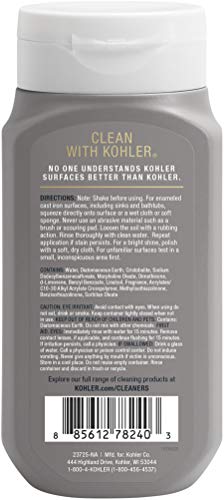
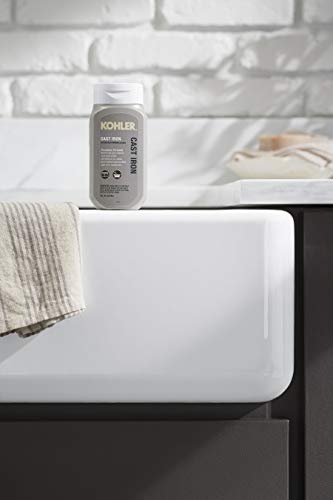
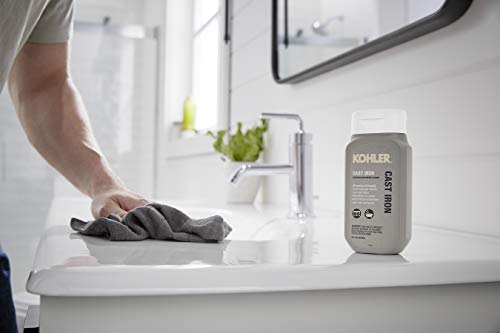
- Specialized Cleaner: For restoring shine and removing pot marks or minor blemishes on enameled cast iron, a non-abrasive cream cleaner is ideal. The KOHLER K-23725-NA Cast Iron Cleaner is an 8 oz bottle specifically designed for this purpose. Its premium, non-abrasive formula safely removes blemishes and restores the shine of enameled cast iron surfaces in both kitchen and bathroom settings. While not designed for *removing* heavy burnt-on food from raw cast iron, it's perfect for the delicate surface of enameled pieces after initial cleaning, or for general cleaning and aesthetic restoration of raw cast iron once all burnt food is gone.
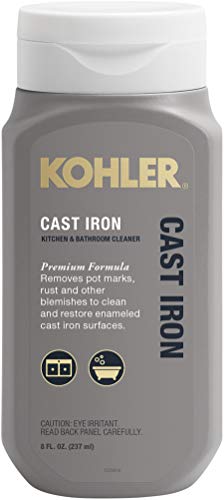
- Clean & Restore Surfaces: This cast iron cleaner removes pot marks, rust and other blemishes to clean and.
- Nonabrasive Cleaner: Premium formula restores shine of enameled cast iron surfaces
- Kitchen & Bathroom Cleaner: This 8oz squeeze bottle can be used as both a kitchen and bathroom cleaner
- Please note: May be used on other branded enameled cast iron surfaces, however testing in an inconspicuous.

After Cleaning: Re-Seasoning is Essential
After you successfully clean burnt food off cast iron, especially if you used vigorous scrubbing, some of the pan's seasoning may have been removed.
- Dry Thoroughly: Place the clean pan on the stove over low heat for a few minutes to evaporate any remaining moisture. A completely dry pan prevents rust.
- Apply Oil: While the pan is still warm, apply a very thin, even coat of high smoke point cooking oil (like flaxseed, grapeseed, or vegetable oil) to all surfaces, inside and out, using a paper towel.
- Wipe Excess: Use a clean paper towel to wipe off as much oil as you can. The goal is an almost invisible layer of oil.
- Bake: Place the pan upside down in a preheated oven at 450-500°F (232-260°C) for one hour. Place aluminum foil on the rack below to catch any drips.
- Cool: Turn off the oven and let the pan cool inside the oven completely.
Repeat this seasoning process 2-3 times for a robust, durable layer. A well-seasoned pan is easier to clean and provides a better cooking experience.
How to Season a Cast Iron Skillet: Build a non stick Surface
Preventing Burnt-On Food in the Future
Prevention is always easier than cleaning. Here are tips to avoid needing to clean burnt food from cast iron pan surfaces:
- Preheat Properly: Always preheat your cast iron skillet slowly and evenly over medium-low heat for 5-10 minutes before adding food. This distributes heat uniformly and prevents hot spots.
- Use Enough Fat: Always use a sufficient amount of cooking oil or fat to coat the entire cooking surface. This creates a barrier between the food and the iron.
- Control Heat: Cast iron retains heat well. You often need less heat than you might use with other types of cookware. Adjust your burner settings accordingly.
- Avoid Acidic Foods (for long periods): Cooking highly acidic foods for extended times can strip seasoning. For dishes like tomato sauces, consider using enameled cast iron or stainless steel instead.
- Clean After Each Use: Promptly clean your cast iron after each use with hot water and a stiff brush, then dry and apply a thin coat of oil. This prevents minor buildup from becoming a major issue.
When to Consider Professional Restoration or Replacement
Most burnt-on food issues are resolvable at home. However, there are rare instances when a cast iron pan might be beyond simple DIY repair. If your pan develops deep rust pitting that goes beyond the surface, or if it has cracks or severe warping, its structural integrity might be compromised. While some specialized services offer cast iron restoration, which can cost anywhere from $50 to $150 for a single pan (excluding shipping), it is often more economical to replace a severely damaged skillet. A new, quality cast iron skillet can range from $20 to $100, depending on size and brand. For most home cooks, knowing how to get burnt food off cast iron using the methods above will keep their cookware in excellent condition for decades.