Cast iron and carbon steel cookware share a fundamental characteristic: they are both alloys of iron and carbon. However, their distinct compositions and manufacturing processes lead to significant differences in weight, heat distribution, and maintenance. For most home cooks seeking a versatile, durable, and highly heat-retentive pan, the Lodge Seasoned Cast Iron Skillet 12 Inches stands out as the superior choice.
Understanding Cast Iron Cookware
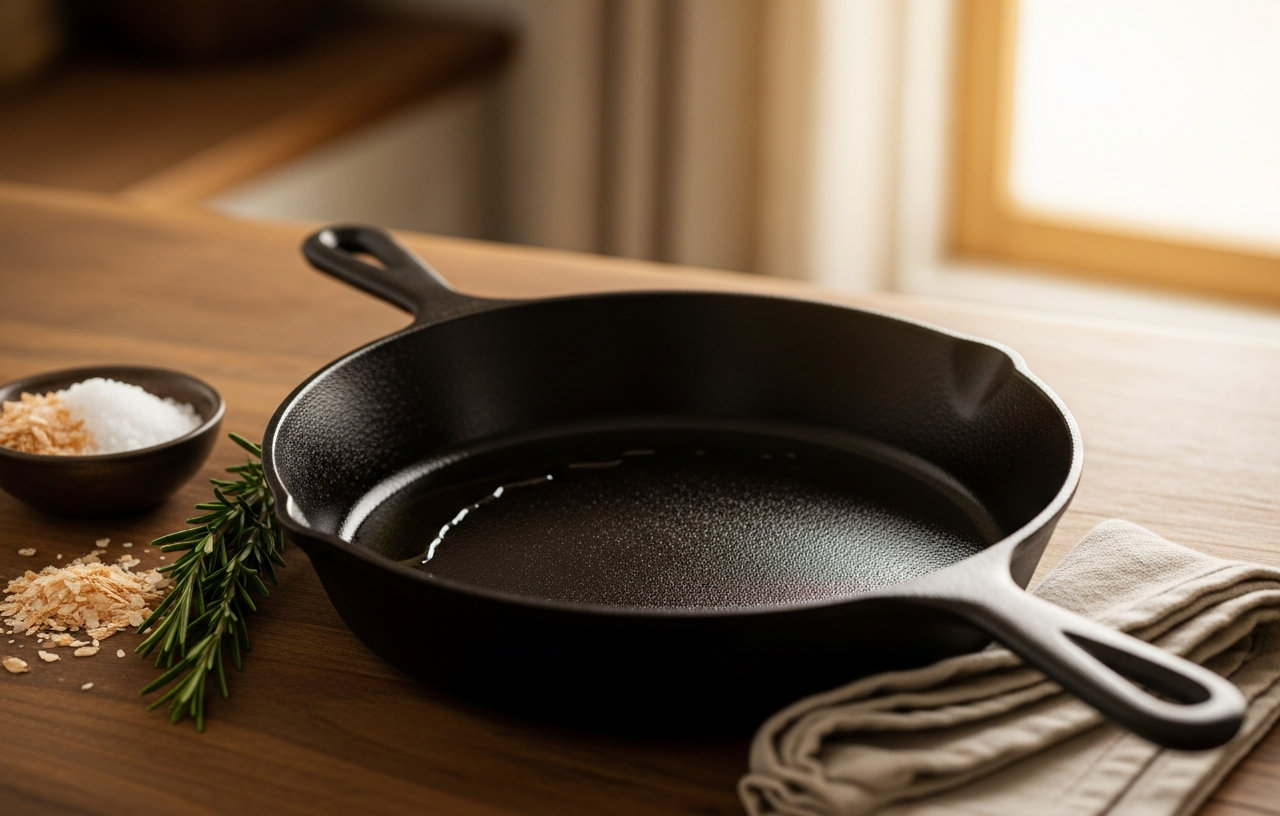
Cast iron cookware, like the Lodge Seasoned Cast Iron Skillet, is renowned for its exceptional heat retention and durability. This material is an iron alloy with a higher carbon content, typically 2-4%, compared to carbon steel. Manufacturers pour molten cast iron into molds, creating a thick, porous, and robust structure. This manufacturing method contributes to its characteristic heft and texture.
The high thermal mass of cast iron means it takes longer to heat up. Once hot, it holds that heat very well, distributing it evenly across the cooking surface. This property makes cast iron skillets ideal for tasks requiring consistent, high heat, such as searing steaks, frying chicken, or baking cornbread. The Lodge 12-inch skillet exemplifies this, offering a stable cooking temperature that prevents rapid drops when food is added.
Cast iron also develops a natural, stick-resistant seasoning over time. This layer of polymerized oil provides a non-toxic, PFAS-free cooking surface. Maintaining this seasoning is a key part of cast iron care, protecting the pan from rust and building its nonstick qualities. Pans like the Lodge models arrive pre-seasoned, ready for immediate use and continued seasoning development.
While incredibly durable and long-lasting, cast iron is also brittle. It can crack or shatter if dropped from a significant height or subjected to extreme thermal shock. Its weight is another consideration; a 12-inch skillet can weigh nearly 8 pounds, making it less agile for quick tossing or flipping compared to lighter pans. Despite these factors, the longevity and performance of cast iron make it a cherished item in many kitchens.
Understanding Carbon Steel Cookware
Carbon steel cookware, often seen in the form of a carbon steel pan vs cast iron, is also an iron alloy, but with a lower carbon content, typically below 2%. This material is rolled into sheets and then stamped or spun into shape, resulting in thinner, lighter pans with a smoother surface than cast iron. The manufacturing process for carbon steel cookware yields a product that shares many benefits with cast iron but with distinct performance characteristics.
Carbon steel heats up much faster than cast iron due to its lower thermal mass. This responsiveness allows for precise temperature control, making it excellent for quick cooking tasks where rapid adjustments are necessary. Chefs often prefer carbon steel skillets for delicate searing, stir-frying, and preparing dishes like crepes or omelets, where the ability to quickly raise or lower the heat is beneficial.
Like cast iron, carbon steel develops a natural seasoning layer. Its smoother surface can sometimes make seasoning quicker to build up initially. However, this seasoning can also be more susceptible to scratching or degradation with aggressive scrubbing. A seasoned carbon steel frying pan vs cast iron will offer similar nonstick benefits, provided proper care.
Comparing stainless steel vs carbon steel pan, carbon steel offers superior nonstick properties once seasoned, unlike stainless steel, which requires more oil to prevent sticking. However, carbon steel requires more active maintenance than stainless steel to prevent rust and preserve its seasoning. Carbon steel is also less brittle than cast iron, making it more resistant to cracking from impacts, though it can warp if exposed to severe thermal shock.
Cast Iron vs Carbon Steel: A Detailed Comparison
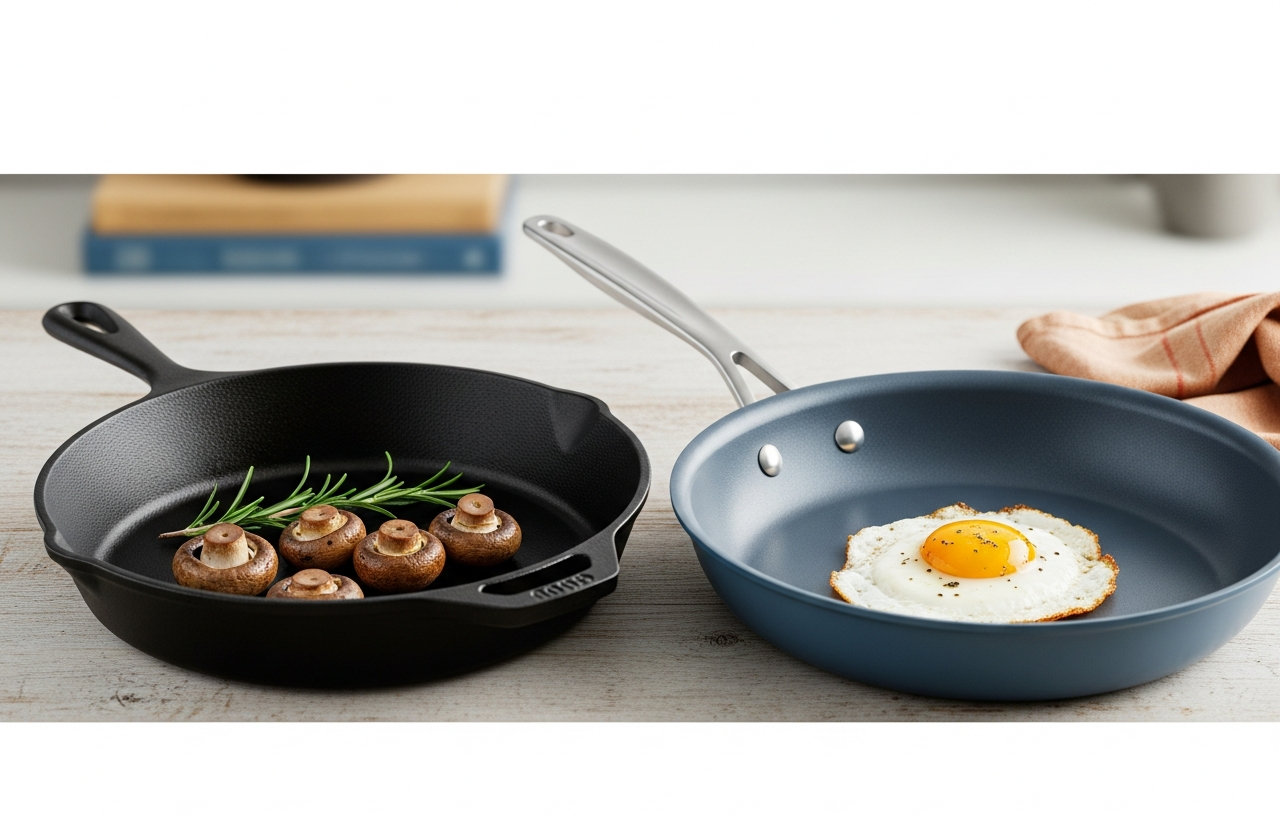
The choice between cast iron and carbon steel cookware often comes down to specific cooking habits and preferences. Both materials offer excellent performance and longevity, but they excel in different areas.
Weight and Handling
A significant difference between cast iron and carbon steel is weight. Cast iron skillets are substantially heavier. For example, a 12-inch Lodge cast iron skillet weighs nearly 8 pounds. This weight contributes to its stability on the stovetop and its ability to retain heat, but it can make handling challenging for some cooks, especially when pouring or moving hot food. Carbon steel pans are noticeably lighter, often half the weight of a comparable cast iron pan. This lighter build makes them easier to maneuver, toss ingredients, and clean in a sink, appealing to those who prioritize agility in their cooking.
Heat Retention and Responsiveness
Cast iron is the undisputed champion of heat retention. Once hot, it stays hot, making it perfect for searing large cuts of meat, frying multiple batches of food, or baking in the oven without significant temperature drops. This consistent heat leads to superior browning and crust development. Carbon steel, while still a good heat conductor, is more responsive. It heats up faster and cools down quicker, allowing for more precise temperature control. This responsiveness is an advantage for delicate tasks or when rapid temperature changes are needed, such as stir-frying vegetables or making sauces.
Natural Nonstick Seasoning
Both cast iron and carbon steel develop a natural nonstick surface through seasoning, a layer of polymerized oil that bonds to the metal. This makes both types of cookware PFAS-free and non-toxic. Cast iron's slightly rougher surface helps the seasoning adhere and build up over time, creating a robust, low-stick layer. Carbon steel's smoother surface can develop a slick seasoning relatively quickly, but it might be more prone to showing wear or requiring more frequent re-seasoning if not cared for properly. With consistent use and proper maintenance, both materials can achieve impressive nonstick performance.
For more details on maintaining your cast iron, see our guide on How to Season a Cast Iron Skillet: Build a non stick Surface.
Durability and Longevity
Both cast iron and carbon steel cookware are incredibly durable and designed to last generations. They can withstand high temperatures and heavy use. Cast iron is known for its incredible robustness; it can handle oven, stove, grill, or campfire heat without issue. Its primary vulnerability is brittleness, meaning a hard fall can cause it to crack. Carbon steel is more ductile, less prone to cracking from impact, but it can warp if subjected to extreme thermal shock (e.g., plunging a hot pan into cold water). Both materials will rust if not kept seasoned and dry.
Maintenance and Care
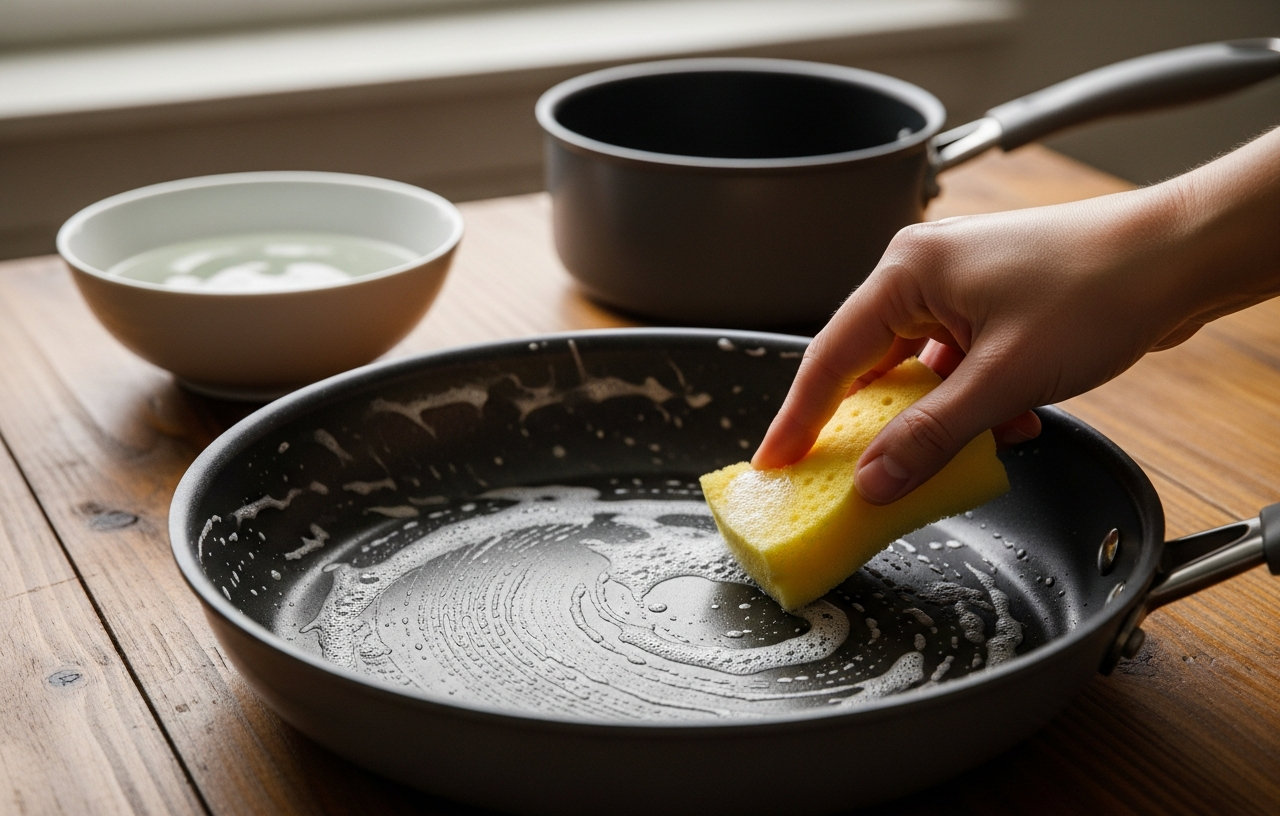
The care requirements for a carbon steel skillet vs cast iron are very similar. Both need to be hand-washed, thoroughly dried immediately after washing, and occasionally re-seasoned. Avoid harsh soaps or steel wool, as these can strip the seasoning. For stubborn food, a stiff brush or chainmail scrubber works well. Proper care will prevent rust and keep the nonstick surface performing optimally. Neither should go in a dishwasher.
Versatility in the Kitchen
Both cast iron and carbon steel are highly versatile. A cast iron skillet vs carbon steel can move from the stovetop to the oven, under a broiler, onto a grill, or even over a campfire. This makes them excellent for a wide range of cooking methods, from searing and frying to baking and roasting. Carbon steel pans offer similar versatility for high-heat cooking and can also go into the oven, though their thinner handles might not always be designed for extreme oven temperatures. Carbon steel often shines for delicate tasks due to its responsiveness, while cast iron excels in long, slow cooking and high-heat searing.
Comparison Table
| Feature | Cast Iron | Carbon Steel |
|---|---|---|
| Composition | High carbon iron alloy (2-4% carbon) | Low carbon iron alloy (<2% carbon) |
| Manufacturing | Poured into molds | Rolled into sheets, stamped/spun |
| Weight | Heavy, substantial | Lighter, more agile |
| Heat Retention | Excellent, holds heat for a long time | Good, but less than cast iron |
| Heat Responsiveness | Slow to heat, slow to cool | Fast to heat, fast to cool |
| Surface Texture | Slightly porous, textured | Smoother |
| Seasoning Development | Robust, builds well over time | Develops quickly, can be more delicate |
| Durability | Extremely durable, but brittle (can crack) | Very durable, less brittle (can warp) |
| Typical Uses | Searing, frying, baking, deep-frying | Stir-frying, delicate searing, crepes, omelets |
| Oven/Grill Safe | Yes, generally to very high temperatures | Yes, generally to high temperatures |
Our Top Pick: Lodge Seasoned Cast Iron Skillet 12 Inches
The Lodge Seasoned Cast Iron Skillet 12 Inches is a quintessential piece of cookware for any kitchen. Based on product specs and verified customer ratings, this skillet embodies the best qualities of cast iron. It weighs 7.9 pounds, providing substantial thermal mass for superior heat retention. This means it holds heat beautifully, ensuring a consistent cooking temperature for perfectly seared meats, crispy fried foods, and evenly baked cornbread.
This quality cast iron frying pan arrives naturally seasoned, making it PFAS-free and ready for immediate use. The pre-seasoning provides a foundational nonstick finish that improves with every use. Its heavy duty construction means it is crafted for exceptional durability and multipurpose use. You can confidently use it with an oven, stove, grill, or campfire, making it incredibly versatile for indoor and outdoor cooking.
Strengths:
- Excellent Heat Retention: Ideal for searing, frying, and baking due to stable temperatures.
- Pre-Seasoned and PFAS-Free: Ready to use with a natural, non-toxic nonstick surface.
- Highly Durable: Built to last generations, withstanding high heat and heavy use.
- Versatile: Compatible with all heat sources, including induction, oven, grill, and campfire.
Weaknesses:
- Heavy: Its 7.9-pound weight can be cumbersome for some cooks.
- Slower to Heat: Takes longer to reach cooking temperature compared to carbon steel.
This 12-inch Lodge skillet is best for home cooks who frequently prepare family-sized meals, enjoy searing large cuts of meat, or want a pan that transitions effortlessly from stovetop to oven. It is a workhorse that handles a wide array of cooking tasks with consistent results.
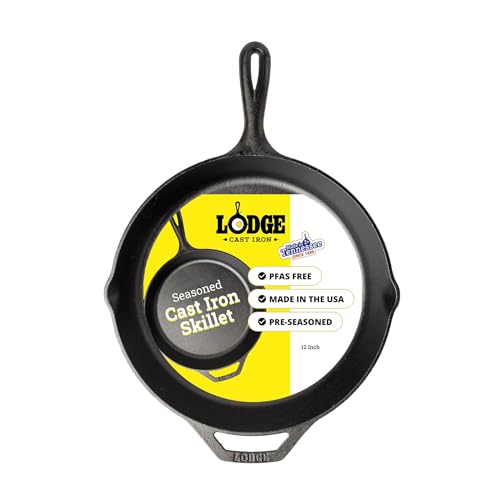
- Quality Cast Iron Frying Pan: The Lodge Seasoned Cast Iron Skillet is loved for its great heat retention.
- Naturally Seasoned for non stick Finish: Each pre-seasoned skillet arrives ready to use with a smooth.
- heavy duty & Long-Lasting: This cast iron frying pan is crafted for durability and multipurpose use, with.
- Versatile & Multipurpose: This versatile cooking skillet is oven safe, stovetop compatible, and ideal as a.

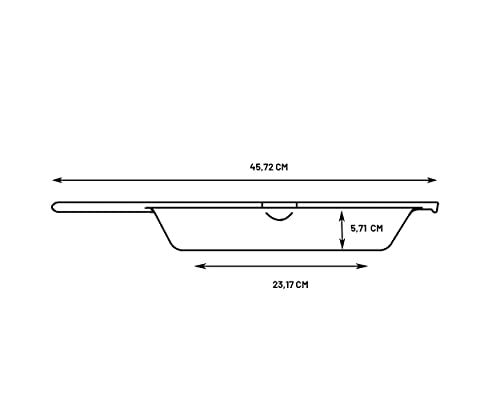

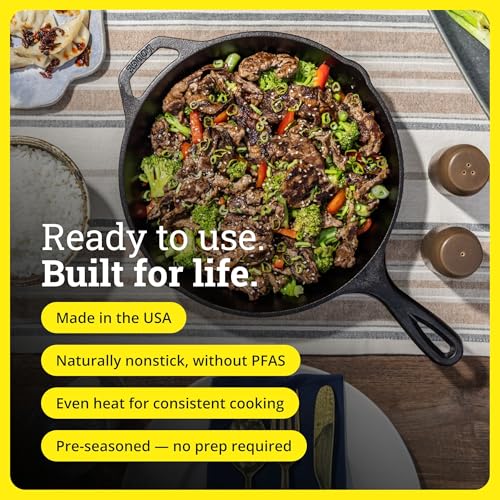
Also Great: Lodge Seasoned Cast Iron Skillet 10.25 Inches
The Lodge Seasoned Cast Iron Skillet 10.25 Inches offers similar performance to its larger counterpart but in a more manageable size. With a weight of just over 5 pounds, this skillet provides a good balance of heat retention and ease of handling. It is a quality cast iron frying pan, loved for its ability to maintain heat and deliver consistent cooking results, making it an excellent everyday pan for smaller households.
Like all Lodge cast iron, this skillet is naturally seasoned for a nonstick finish and is PFAS-free. It arrives ready to use, allowing you to start building its robust seasoning layer right away. The 10.25-inch size is perfect for cooking for one or two people, preparing side dishes, or making smaller batches of fried chicken or seared vegetables. Its heavy duty and long-lasting design ensures it will be a staple in your kitchen for many years.
Strengths:
- Balanced Size and Weight: Easier to handle than the 12-inch, while still offering great heat retention.
- Versatile for Everyday Use: Ideal for breakfast, single servings, and smaller meals.
- Durable and Pre-Seasoned: Shares the same long-lasting quality and non-toxic surface as other Lodge skillets.
Weaknesses:
- Still Heavier: While lighter than the 12-inch, it is still heavier than a carbon steel pan of similar size.
- Limited Capacity: Not suitable for very large meals or batch cooking.
This 10.25-inch Lodge skillet is best for individuals, couples, or anyone seeking a versatile, everyday cast iron pan that is slightly less cumbersome than a larger model. It excels at tasks like frying eggs, sautéing vegetables, and making grilled cheese sandwiches.

- Quality Cast Iron Frying Pan: The Lodge Seasoned Cast Iron Skillet is loved for its great heat retention.
- Naturally Seasoned for non stick Finish: Each pre-seasoned skillet arrives ready to use with a smooth.
- heavy duty & Long-Lasting: This cast iron frying pan is crafted for durability and multipurpose use, with.
- Versatile & Multipurpose: This versatile cooking skillet is oven safe, stovetop compatible, and ideal as a.


Best Small Skillet: Lodge Cast Iron, 8-Inch
The Lodge Cast Iron, 8-Inch skillet is the most compact option in this lineup, weighing 3.2 pounds. This smaller size makes it incredibly easy to handle and store, while still delivering the reliable performance expected from Lodge cast iron. It is a quality cast iron frying pan known for great heat retention, even in its smaller form factor.
Each 8-inch skillet arrives naturally seasoned, providing a PFAS-free and non-toxic cooking surface. This compact pan is perfect for single servings, warming up leftovers, or preparing small side dishes. Its heavy duty and long-lasting construction means it can withstand repeated use across various heat sources, including oven, stove, grill, or campfire. The smaller footprint also makes it a great choice for camping or for kitchens with limited storage space.
Strengths:
- Lightweight and Compact: Easiest to handle and store among the Lodge skillets.
- Excellent for Single Servings: Perfect for eggs, small sides, or individual portions.
- Durable and Versatile: Maintains the robust quality and multi-source compatibility of larger Lodge pans.
Weaknesses:
- Limited Capacity: Only suitable for very small tasks or individual meals.
The 8-inch Lodge skillet is best for solo cooks, apartment dwellers, or anyone needing a dedicated pan for smaller tasks. It is also an excellent option for camping or as an auxiliary pan for side dishes.

- Quality Cast Iron Frying Pan: The Lodge Seasoned Cast Iron Skillet is loved for its great heat retention.
- Naturally Seasoned for non stick Finish: Each pre-seasoned skillet arrives ready to use with a smooth.
- heavy duty & Long-Lasting: This cast iron frying pan is crafted for durability and multipurpose use, with.
- Versatile & Multipurpose: This versatile cooking skillet is oven safe, stovetop compatible, and ideal as a.


Choosing Your Cookware: Cast Iron or Carbon Steel?
The decision between cast iron and carbon steel cookware ultimately depends on your cooking style and priorities. If you value exceptional heat retention, even cooking, and a robust, set-it-and-forget-it type of pan for searing, frying, and baking, then cast iron is an excellent choice. Its ability to hold high temperatures makes it superb for creating deep crusts and consistent browning, as demonstrated by the Lodge cast iron skillets.
If you prefer a lighter pan that heats up and responds to temperature changes quickly, offering more agility for delicate tasks like stir-frying or making crepes, then carbon steel might be more suitable. It bridges the gap between cast iron's heat properties and stainless steel's responsiveness, offering a natural nonstick surface once seasoned. However, the consistent heat and sheer durability of cast iron often make it a more foundational piece for a home cook's kitchen.
For most home cooks, the enduring qualities of cast iron, particularly products like the Lodge Seasoned Cast Iron Skillet, provide a level of performance and versatility that is hard to beat. These pans are not just tools; they are heirlooms, capable of producing delicious meals for generations.
You can find more options for durable cookware in our Best Cast Iron Skillets: Lodge's Top Picks for Home Cooks article.
Final Considerations
Both cast iron and carbon steel offer unique benefits and similar maintenance requirements. They both provide a healthy, PFAS-free cooking surface that improves with use. Your choice depends on whether you prioritize the heavy, steady heat of cast iron or the lighter, more responsive nature of carbon steel. For sheer versatility, heat retention, and a virtually indestructible pan, the Lodge cast iron skillets represent an outstanding investment for any kitchen.