Is HexClad Worth It? Examining the Hybrid Cookware's Value
HexClad cookware, a hybrid line blending stainless steel and nonstick properties, carries a premium price tag. An 8-inch HexClad pan typically sells for $90 to $120, while a 12-inch skillet costs $140 to $180. Full sets can range from $400 to over $800. This pricing positions it at the higher end of the consumer cookware market. Deciding if HexClad is worth it requires a close look at its unique construction, performance claims, and user experiences, especially when considering the significant investment.
Many home cooks wonder if this hybrid design truly delivers on its promise of combining the best of both worlds: the durability and searing capability of stainless steel with the easy release of nonstick. It is not just about initial performance; long term durability and how it compares to established cookware types like traditional stainless steel, cast iron, or dedicated nonstick pans are also important factors. Understanding these aspects helps determine if HexClad aligns with individual cooking needs and budget.
What is HexClad Cookware and Its Hybrid Design?
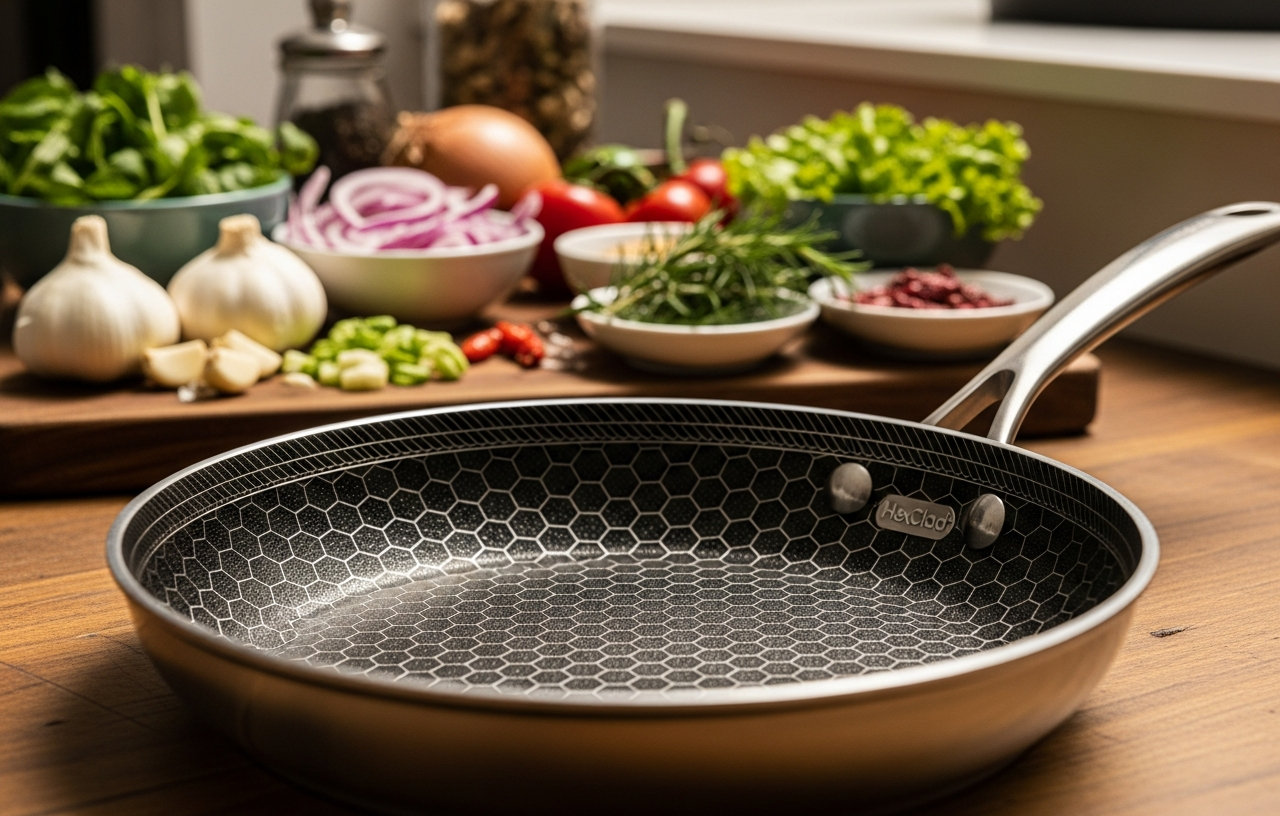
HexClad cookware features a distinctive laser-etched hexagonal pattern across its cooking surface. This pattern is not merely decorative; it is fundamental to the cookware's hybrid nature. The raised lines of the hexagon pattern are made from stainless steel, providing a durable, scratch-resistant surface. The valleys between these raised lines are filled with a PFOA-free nonstick coating. This design aims to protect the more fragile nonstick material from abrasion and allow for higher heat cooking than typical nonstick pans.
Beneath this hybrid surface, HexClad pans use an aluminum core for efficient heat distribution. This core is clad with stainless steel on the exterior, making the cookware compatible with all stovetop types, including induction. The multi-ply construction (stainless steel, aluminum, nonstick) is designed to offer robust performance and versatility. HexClad pans are also oven safe up to 500 degrees Fahrenheit, a higher tolerance than many traditional nonstick options.
The Core Technology: Stainless Steel Peaks and Nonstick Valleys
The core innovation in HexClad is the way its two primary materials, stainless steel and nonstick, interact on the cooking surface. The raised stainless steel grid protrudes slightly above the nonstick valleys. This structure provides a physical barrier, protecting the nonstick coating from direct contact with metal utensils. The manufacturer claims this design allows for the use of metal spatulas and whisks without damaging the nonstick layer, a significant departure from warnings associated with most traditional nonstick cookware.
The stainless steel peaks are also intended to contribute to better searing. When food makes contact with these raised areas, it can achieve a more pronounced Maillard reaction, leading to improved browning. Meanwhile, the nonstick valleys are meant to provide the easy food release that cooks appreciate for delicate items like eggs or fish. This combination attempts to bridge the performance gap between purely nonstick and purely stainless steel pans.
Evaluating HexClad's Performance in the Kitchen
Assessing whether HexClad is worth it hinges largely on its actual performance for various cooking tasks. Its hybrid design promises versatility, but how well does it truly deliver on its nonstick and searing capabilities?
Nonstick Properties and Food Release
The nonstick performance of HexClad is often a point of discussion among users. Unlike conventional nonstick pans, which typically offer an extremely slick surface, HexClad's nonstick valleys are interspersed with stainless steel. This means that while it offers good release, it generally does not perform with the same effortless slipperiness as a pure PTFE-based nonstick pan, especially when new. Many users report that a small amount of cooking oil or butter is still necessary to prevent sticking, particularly for delicate foods like fried eggs or pancakes.
Over time, some users observe a decrease in the nonstick efficacy, a common issue with all nonstick cookware. The longevity of its nonstick coating is a key factor in determining if hexclad is worth it over the long term. Proper preheating and avoiding excessively high heat without food can help maintain its release properties.
For a detailed comparison of different cookware materials, consider reviewing guides on stainless steel vs nonstick cookware.
Searing and Browning Capability
One of HexClad's touted advantages is its ability to achieve a good sear. The raised stainless steel pattern is designed to make direct contact with food, facilitating the Maillard reaction. This allows cooks to brown meats and vegetables effectively, a task where traditional nonstick pans often fall short due to their inability to reach and maintain high surface temperatures necessary for proper searing.
Compared to a purely stainless steel pan, HexClad can achieve a respectable sear. However, some experienced cooks might find that a heavy-gauge stainless steel or cast iron pan still offers a superior, more consistent crust due to their uniform, high-heat conductive surfaces. The balance of stainless steel and nonstick in HexClad means it excels at neither extreme but offers a competent middle ground.
Heat Distribution and Retention
Aluminum is an excellent thermal conductor, ensuring that heat spreads evenly across the pan's surface. This even heat distribution helps prevent hot spots, which can lead to uneven cooking and burning. Whether you are simmering a sauce or frying multiple items, consistent heat is beneficial.
The stainless steel exterior not only provides durability but also makes the pans induction-compatible. This broadens their usability across different kitchen setups. While the aluminum core aids in rapid and even heating, the overall mass of HexClad pans contributes to decent heat retention, allowing the pan to maintain temperature well even after ingredients are added. This combination of quick heating and good retention is a strong point for its versatility.
Durability, Longevity, and Maintenance Concerns
The question of whether hexclad is it worth it often comes down to its durability and how well it stands up to daily use. The manufacturer offers a limited lifetime warranty, but understanding real-world experiences is important.
Real-World Durability of the Hybrid Surface
HexClad's primary selling point is its enhanced durability compared to traditional nonstick cookware. The raised stainless steel grid is designed to protect the nonstick coating from scratches and abrasion, even from metal utensils. While many users report good initial durability, some have experienced a decline in the nonstick properties over one to three years, similar to the lifespan of high quality traditional nonstick pans.
The claims of being metal-utensil safe are widely discussed. While the stainless steel peaks do offer protection, repeated aggressive scraping with sharp metal tools can still potentially impact the nonstick material in the valleys over time. For maximum longevity, many users still recommend using silicone or wooden utensils, especially for delicate tasks. The overall lifespan of the nonstick function, rather than just the structural integrity, is a key consideration for long term value.
Cleaning and Care for HexClad Pans
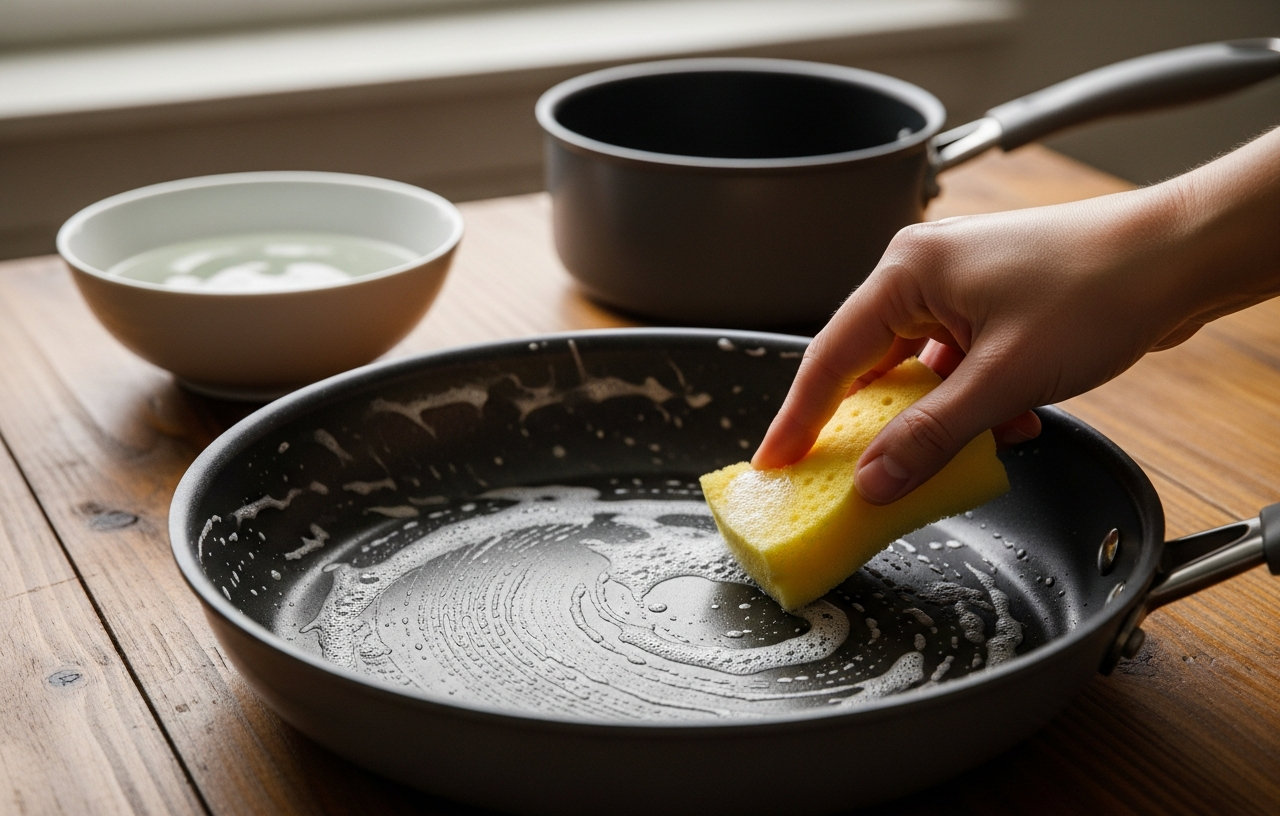
HexClad states its cookware is dishwasher safe. However, like most premium cookware, hand washing is often recommended for preserving the finish and extending the life of the nonstick coating. For everyday cleaning, warm soapy water and a soft sponge are usually sufficient.
A common concern reported by users, including those on Reddit discussions about whether hexclad is worth it, involves food residue getting stuck in the etched valleys of the hexagonal pattern. While the nonstick properties help release most food, burnt-on bits or caramelized sugars can sometimes lodge in these grooves, requiring more scrubbing than a completely smooth nonstick surface. For stubborn residue, soaking the pan for a short period before cleaning can be effective. Avoiding abrasive scrubbers, steel wool, or harsh detergents helps maintain the coating's integrity. Always make sure the pan cools before washing to prevent thermal shock.
The Cost Factor: Is HexClad's Price Justified?
The price point of HexClad cookware is a significant barrier for many potential buyers. As mentioned, individual pieces like an 8-inch skillet can cost $90 to $120, and larger sets can exceed $800. This places HexClad firmly in the premium category, competing with established brands known for high quality stainless steel like All-Clad or specialized nonstick lines.
For comparison, a high quality 12-inch stainless steel skillet from a reputable brand might cost $100 to $200, offering lifetime durability and excellent searing but no nonstick properties. A top-tier conventional nonstick pan of the same size might range from $40 to $80, providing superior release but with a shorter lifespan and less searing capability. The justification for HexClad's price comes from its attempt to offer both features in one pan. The question for the consumer is whether this hybrid functionality warrants paying more than for two separate, specialized pans.
Many discussions, including those asking if hexclad is worth it on Reddit, often highlight this cost-benefit analysis. Some users find the convenience and versatility worth the investment, while others feel the performance does not quite match the premium pricing, especially if they already own dedicated stainless steel and nonstick pans.
Common Criticisms and User Experiences
While HexClad has a strong marketing presence, user experiences reveal common points of contention that factor into deciding if HexClad is worth it.
One frequent criticism is that the nonstick performance is not as exceptional as some buyers expect, especially compared to traditional, slick nonstick surfaces. Users often find they still need to use a small amount of fat to prevent sticking, particularly with eggs or delicate foods. This can be a letdown for those expecting a completely oil-free cooking experience, which the hybrid design does not fully provide.
Another point of discussion is the long term durability of the nonstick coating. While the stainless steel grid offers protection against scratches, the nonstick properties in the valleys can degrade over time, leading to increased sticking. This often happens within a few years, prompting some users to question the value proposition given the high initial cost. Cleaning can also be a challenge, as food particles can sometimes lodge in the etched pattern, requiring more effort to remove than from a smooth surface. These real-world issues contrast with the ideal performance portrayed in marketing and are important for potential buyers to consider.
Alternatives to HexClad for Your Kitchen
If HexClad's hybrid approach does not perfectly align with your cooking style or budget, several traditional cookware options offer distinct advantages:
- high quality Stainless Steel Cookware: For superior searing, browning, and durability, a well-made clad stainless steel pan is an excellent choice. These pans are virtually indestructible, oven-safe, and ideal for building fond for sauces. They require more fat for cooking and are not nonstick.
- Traditional Nonstick Cookware: For effortless food release, especially for eggs, pancakes, and delicate fish, a dedicated nonstick pan (PFOA-free PTFE or ceramic) is hard to beat. These are typically more affordable than HexClad but have a shorter lifespan and should not be used for high-heat searing.
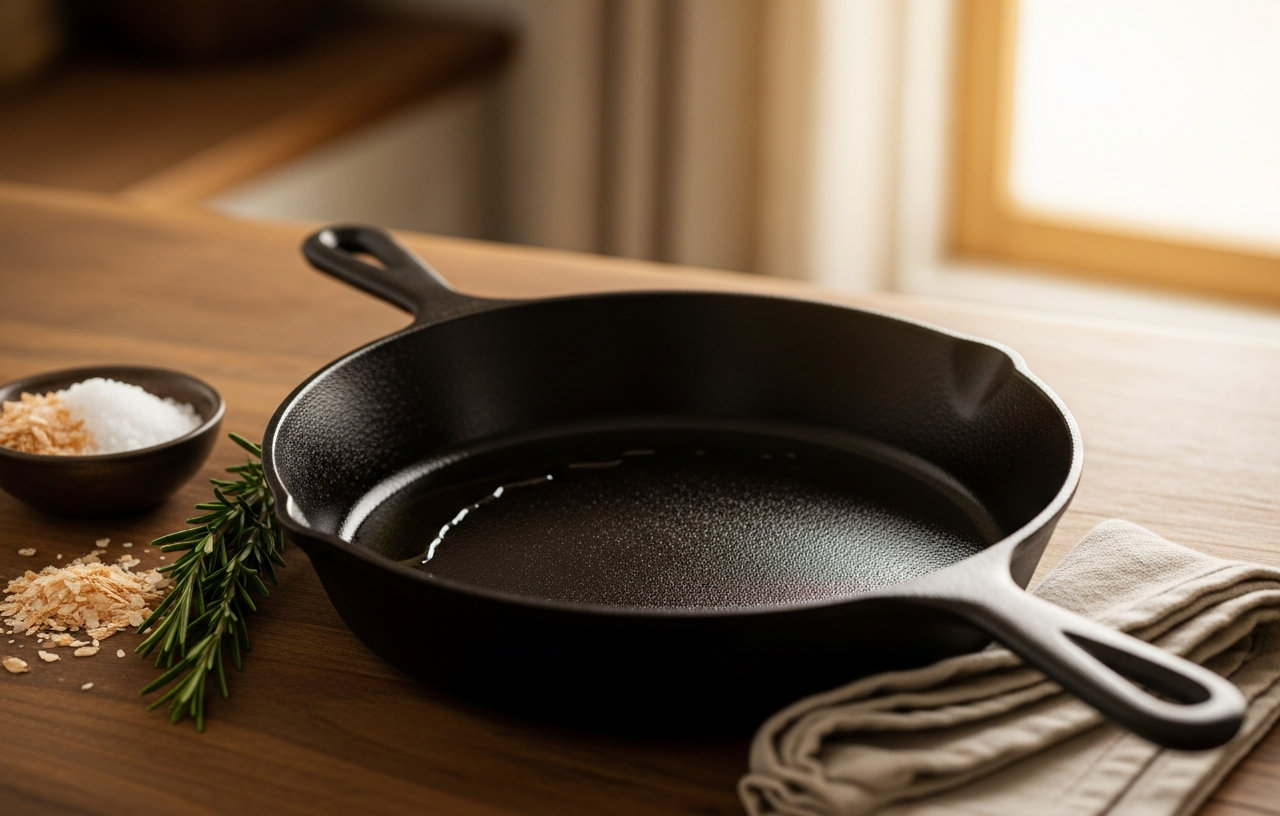
- Cast Iron Cookware: Known for incredible heat retention and durability, cast iron skillets can achieve an excellent sear and develop a natural nonstick surface over time with proper seasoning. They are heavy and require specific care.
- Carbon Steel Cookware: Lighter than cast iron but with similar heat characteristics, carbon steel pans also develop a natural nonstick surface with seasoning. They are highly responsive to heat changes and excellent for searing.
Each of these alternatives excels in specific areas where HexClad aims to offer a compromise. The best choice depends on what cooking tasks you prioritize and your willingness to manage different types of cookware.
The Verdict: Is HexClad a Good Investment?
Ultimately, whether HexClad is worth it depends on your specific cooking needs, expectations, and budget. It is not a perfect replacement for either a dedicated nonstick pan or a heavy duty stainless steel skillet; instead, it offers a unique middle ground.
HexClad is a good investment for home cooks who:
- Want a single pan that can handle both moderate nonstick tasks and achieve a decent sear.
- Appreciate the durability claims of its hybrid surface and the ability to use metal utensils without immediate damage.
- Are willing to invest a premium price for a versatile piece of cookware and understand that some fat is still needed for optimal nonstick performance.
- Prioritize oven-safe versatility and induction compatibility.
Conversely, if you prioritize absolute nonstick release above all else, a high quality traditional nonstick pan will likely offer a better experience at a lower cost. If you primarily seek superior searing and durability for high-heat cooking and do not mind a sticking surface, a traditional stainless steel or cast iron pan will serve you better and often last a lifetime. HexClad occupies a niche, and its value is most apparent for those who desire its specific blend of features.
For a broader perspective on HexClad, you can also review our HexClad review for more specific product insights.