The gap between enameled and raw cast iron cookware is primarily about surface treatment, maintenance, and specific cooking applications. For many home cooks prioritizing searing power and long term durability, the Lodge Seasoned Cast Iron Skillet 10.25 Inches stands out as the superior choice. It offers unmatched heat retention and a naturally non stick surface once properly seasoned.
Cast iron has been a kitchen staple for centuries, revered for its ability to hold and distribute heat evenly. Despite its ancient origins, it remains a favorite for everything from searing steaks to baking cornbread. The modern market, however, presents two distinct types: raw, or traditional, cast iron, and enameled cast iron. Understanding the fundamental differences between these materials is essential for making an informed purchase that aligns with your cooking habits and lifestyle.
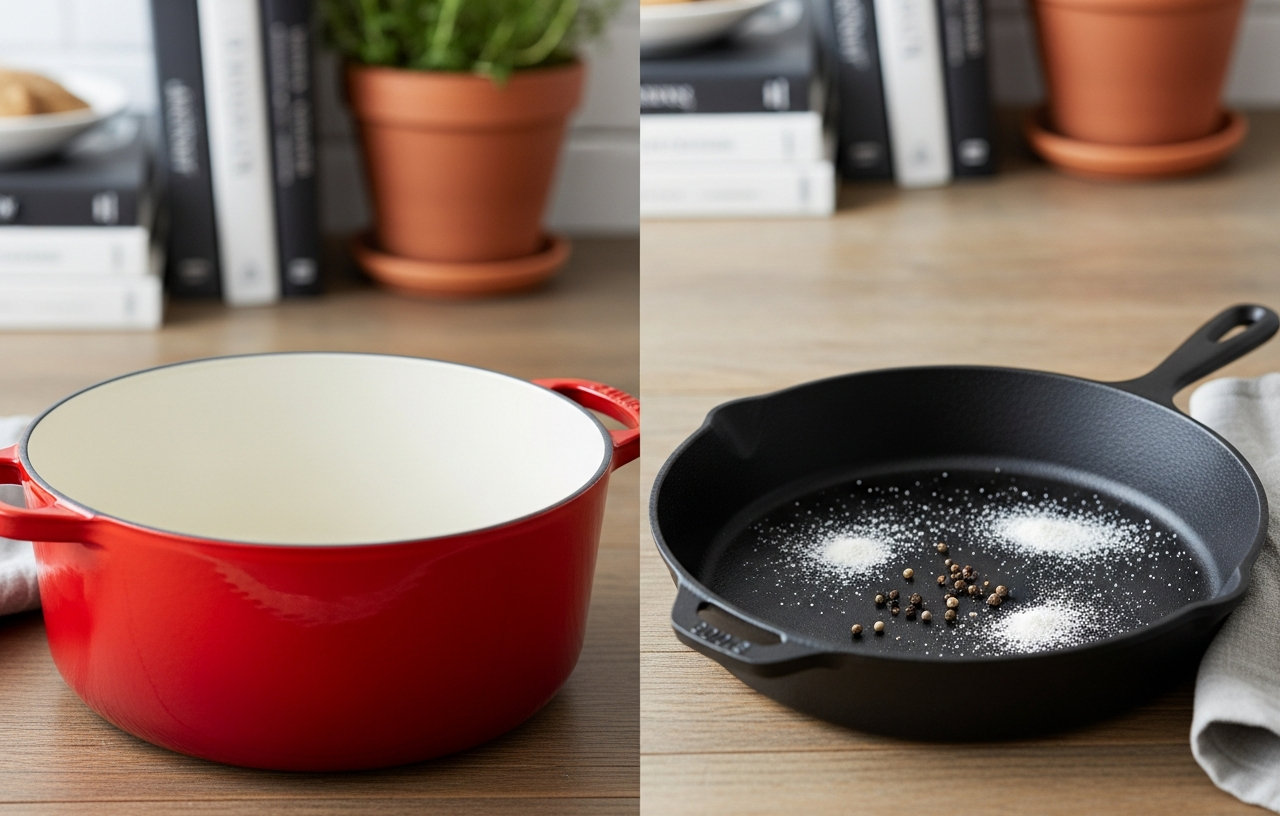
Raw cast iron is simply iron that has been cast into a mold. Its surface is porous and requires seasoning, a process of baking oil onto the metal, to create a non stick layer and protect against rust. This seasoning builds up over time, improving performance with each use. Enameled cast iron, by contrast, features a vitreous enamel coating fused to the cast iron core. This glass-like layer eliminates the need for seasoning and offers a non-reactive surface.
Raw Cast Iron vs. Enameled Cast Iron: Key Differences
The choice between these two cookware types often comes down to performance, maintenance, and versatility. Raw cast iron is known for its ruggedness and ability to withstand extremely high temperatures, making it suitable for stovetop, oven, grill, and even campfire use. Its maintenance involves specific cleaning and re-seasoning to maintain its non stick properties and prevent corrosion. Enameled cast iron provides a more forgiving user experience with easier cleaning and resistance to acidic foods, but its enamel coating can be prone to chipping if mishandled.
Here's a quick look at how they compare:
| Feature | Raw Cast Iron | Enameled Cast Iron |
|---|---|---|
| Surface | Porous, seasoned oil layer | Smooth, non-reactive glass enamel |
| Seasoning Required? | Yes | No |
| Acidic Food Compatibility | Avoid prolonged contact | Excellent |
| Cleaning | Hand wash, dry immediately, light oil rub | Easier, often dishwasher safe (hand wash recommended) |
| non stick Properties | Develops with proper seasoning | Inherently slick, but can stick without oil |
| Durability | Extremely durable, can last generations | Durable, but enamel can chip or crack |
| Heat Retention | Excellent | Excellent |
| Temperature Limit | Very high (e.g., 600°F and above) | High (e.g., 500°F), limited by knob material |
| Cooking Uses | Searing, frying, baking, outdoor cooking | Braising, slow cooking, baking, stewing |
Lodge Seasoned Cast Iron Skillet 10.25 Inches (Top Pick)
The Lodge Seasoned Cast Iron Skillet 10.25 Inches embodies the classic appeal and performance of raw cast iron. This skillet is a workhorse, known for its ability to achieve a perfect sear on meats and its consistent heat distribution for baking and frying. It arrives pre-seasoned, meaning it is ready to use right out of the box, though continued seasoning will only improve its natural non stick qualities over time. The skillet's 10.25-inch size is versatile enough for most daily cooking tasks, from a single steak to a batch of fried chicken or a skillet cookie.
Strengths
- Superior Searing and Heat Retention: Based on product specs, the Lodge skillet is loved for its great heat retention. It gets incredibly hot and stays hot, which is ideal for achieving a crispy crust on proteins and vegetables.
- Exceptional Durability: Crafted for durability and multipurpose use, this cast iron frying pan is designed to last for generations. It is virtually indestructible and can withstand heavy use in various cooking environments, including ovens, stoves, grills, and campfires.
- Naturally Non-Toxic and PFAS-Free: For those concerned about chemical coatings, this raw cast iron skillet is an excellent choice. It is PFAS-Free and Non-Toxic, relying on a naturally seasoned surface for its non stick properties. Each pre-seasoned skillet arrives ready to use with a smooth finish.
- Develops Flavor Over Time: The seasoning layer on raw cast iron absorbs flavors from foods cooked in it, contributing to a richer taste profile over time.
Weaknesses
- Requires Specific Maintenance: Raw cast iron needs careful cleaning, immediate drying, and occasional re-seasoning to prevent rust and maintain its non stick surface. It is not dishwasher safe.
- Heavy Weight: At 5.35 pounds, this skillet is substantial. Some cooks may find its weight challenging to maneuver, especially when full.
- Reacts with Acidic Foods: Cooking highly acidic foods for extended periods in raw cast iron can strip the seasoning and impart a metallic taste to the food.
Who It's Best For
The Lodge Seasoned Cast Iron Skillet is best for home cooks who appreciate traditional cooking methods and are willing to invest a little extra time in maintenance for superior cooking results. It is an excellent choice for searing, frying, baking, and any high-heat cooking. Outdoor enthusiasts will also appreciate its ability to be used over open flames. This skillet is a foundational piece for any kitchen aiming for long-lasting, high-performance cookware.
For more insights into maintaining this type of cookware, consider reading our guide on How to Season a Cast Iron Skillet.

- Quality Cast Iron Frying Pan: The Lodge Seasoned Cast Iron Skillet is loved for its great heat retention.
- Naturally Seasoned for non stick Finish: Each pre-seasoned skillet arrives ready to use with a smooth.
- heavy duty & Long-Lasting: This cast iron frying pan is crafted for durability and multipurpose use, with.
- Versatile & Multipurpose: This versatile cooking skillet is oven safe, stovetop compatible, and ideal as a.


Lodge Essential Enamel Cast Iron Dutch Oven 6 Quarts
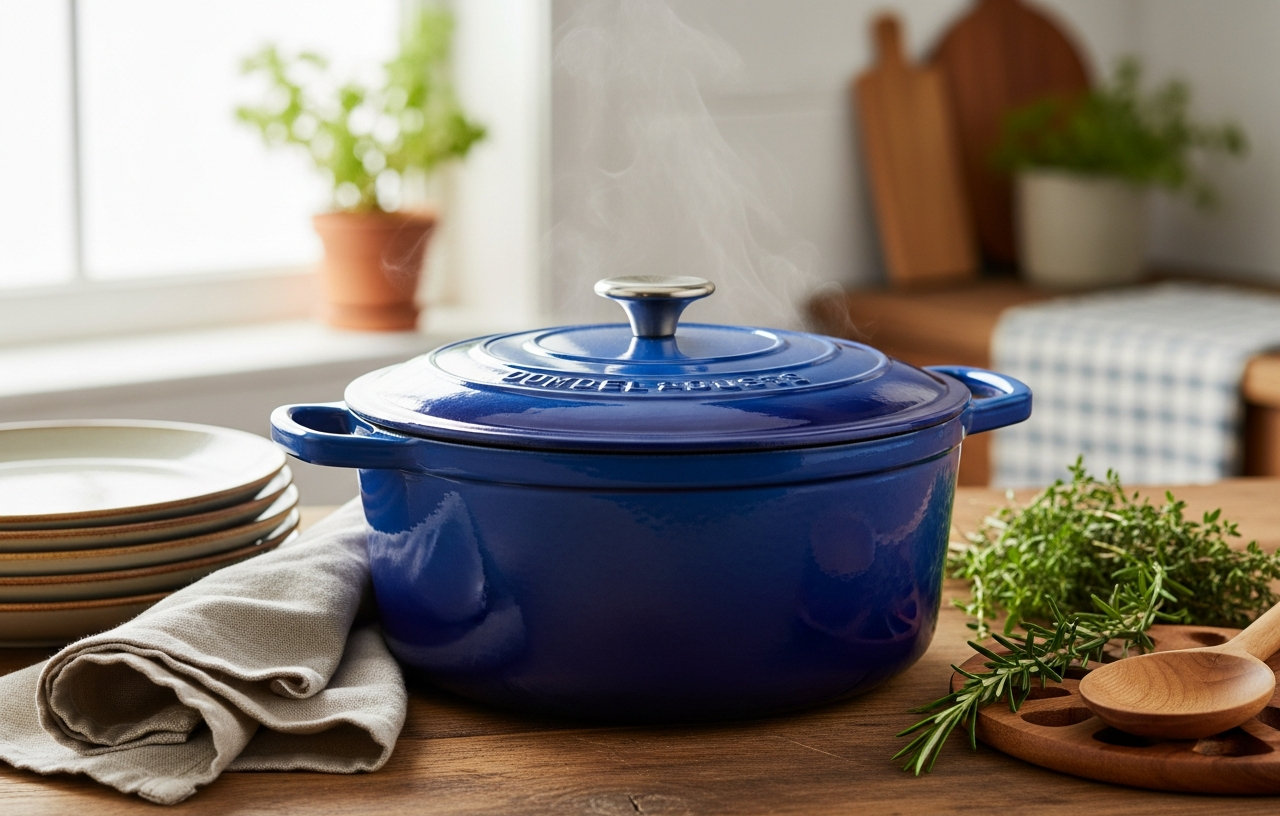
The Lodge Essential Enamel Cast Iron Dutch Oven 6 Quarts brings the benefits of cast iron into a more user friendly format. This Dutch oven features a durable enamel coating that negates the need for seasoning, making it resistant to acidic foods and easier to clean. Its 6-quart capacity is ideal for preparing family-sized stews, braises, soups, and even baking bread. The colorful enamel exterior adds a pop of interest to your kitchen, allowing it to go straight from the oven to the table for serving.
Strengths
- Easy Maintenance: Our non-toxic Dutch oven is dishwasher safe, but hand washing with warm, soapy water is recommended for longevity. The enamel surface prevents food from sticking as readily as raw cast iron, and it eliminates the need for seasoning.
- Acid-Resistant and Non-Reactive: The enamel coating makes this Dutch oven perfect for braising, marinating, and slow cooking with acidic ingredients like tomatoes, wine, or vinegar, without any metallic leaching or flavor alteration.
- Versatile Cooking: The Lodge Essential Enamel Cast Iron Dutch Oven gives you all the benefits of cast iron, making it perfect for bread baking, braising, marinating, and slow cooking. Its excellent heat distribution is ideal for consistent results.
- Aesthetic Appeal: This colorful enamel pot comes in a variety of colors to add a pop of interest to your kitchen and dining table.
Weaknesses
- Enamel Can Chip: The enamel coating, while durable, can chip or crack if dropped or subjected to sudden temperature changes or harsh metal utensils. Once chipped, the underlying cast iron can rust.
- Heavier Than Raw Cast Iron Skillets: At 14.88 pounds, this Dutch oven is significantly heavier than a standard raw cast iron skillet. Its weight can make it cumbersome to lift and move, especially when full.
- Lower Max Temperature: While still oven-safe, the enamel coating and lid knob typically limit the maximum safe oven temperature to around 500°F, which is lower than raw cast iron.
Who It's Best For
The Lodge Essential Enamel Cast Iron Dutch Oven is an excellent choice for cooks who want the heat retention and even cooking of cast iron without the specific seasoning and maintenance requirements of raw cast iron. It is particularly well-suited for slow cooking, braising, baking, and preparing acidic dishes. If you prioritize ease of cleaning, aesthetic variety, and versatility for liquid-based recipes, this Dutch oven is a strong contender. It's a staple for comfort food and one-pot meals.

- Quality Enameled Dutch Oven: The Lodge Essential Enamel Cast Iron Dutch Oven gives you all the benefits of.
- Simmer in Style: This colorful enamel pot comes in a variety of colors to add a pop of interest to your.
- Care Instructions: Our non-toxic Dutch oven is dishwasher safe, but hand washing with warm, soapy water.
- Versatile Cookware: This cast iron Dutch oven is stovetop compatible and oven safe up to 500 degrees.




- Quality Enameled Dutch Oven: The Lodge Essential Enamel Cast Iron Dutch Oven gives you all the benefits of.
- Simmer in Style: This colorful enamel pot comes in a variety of colors to add a pop of interest to your.
- Care Instructions: Our non-toxic Dutch oven is dishwasher safe, but hand washing with warm, soapy water.
- Versatile Cookware: This cast iron Dutch oven is stovetop compatible and oven safe up to 500 degrees.




Care and Maintenance: A Deciding Factor
The biggest distinction between enameled and raw cast iron often lies in their care routines. Raw cast iron demands a hands-on approach. After each use, it needs to be hand washed with hot water and a stiff brush, avoiding harsh soaps that can strip the seasoning. It must be dried immediately and thoroughly to prevent rust, often by heating it gently on the stovetop. A thin layer of cooking oil, like vegetable or flaxseed oil, should then be applied to maintain the seasoning. This consistent care builds a robust, naturally non stick surface over time.
Enameled cast iron offers a simpler cleaning process. Its smooth, non-porous surface means food rarely sticks as aggressively. Most manufacturers, including Lodge, state their enameled cast iron is dishwasher safe, though hand washing with warm, soapy water is still recommended to preserve the enamel's luster and prevent potential damage. There is no seasoning to maintain, and acidic foods pose no threat to the surface. However, care must be taken to avoid abrasive cleaners, metal utensils, or sudden temperature changes, all of which can damage the enamel. A chipped enamel piece can expose the underlying cast iron, making it susceptible to rust.
Cooking Performance: Searing vs. Simmering
Both types of cast iron excel at heat retention and even heat distribution, but their surface properties lead to different strengths in cooking performance. Raw cast iron, particularly the Lodge Seasoned Cast Iron Skillet, is king for searing. Its ability to achieve and hold very high temperatures makes it perfect for developing a deep, flavorful crust on steaks, chops, and vegetables. The porous, seasoned surface also contributes to browning, creating a texture that is hard to replicate in other cookware. It handles dry heat exceptionally well.
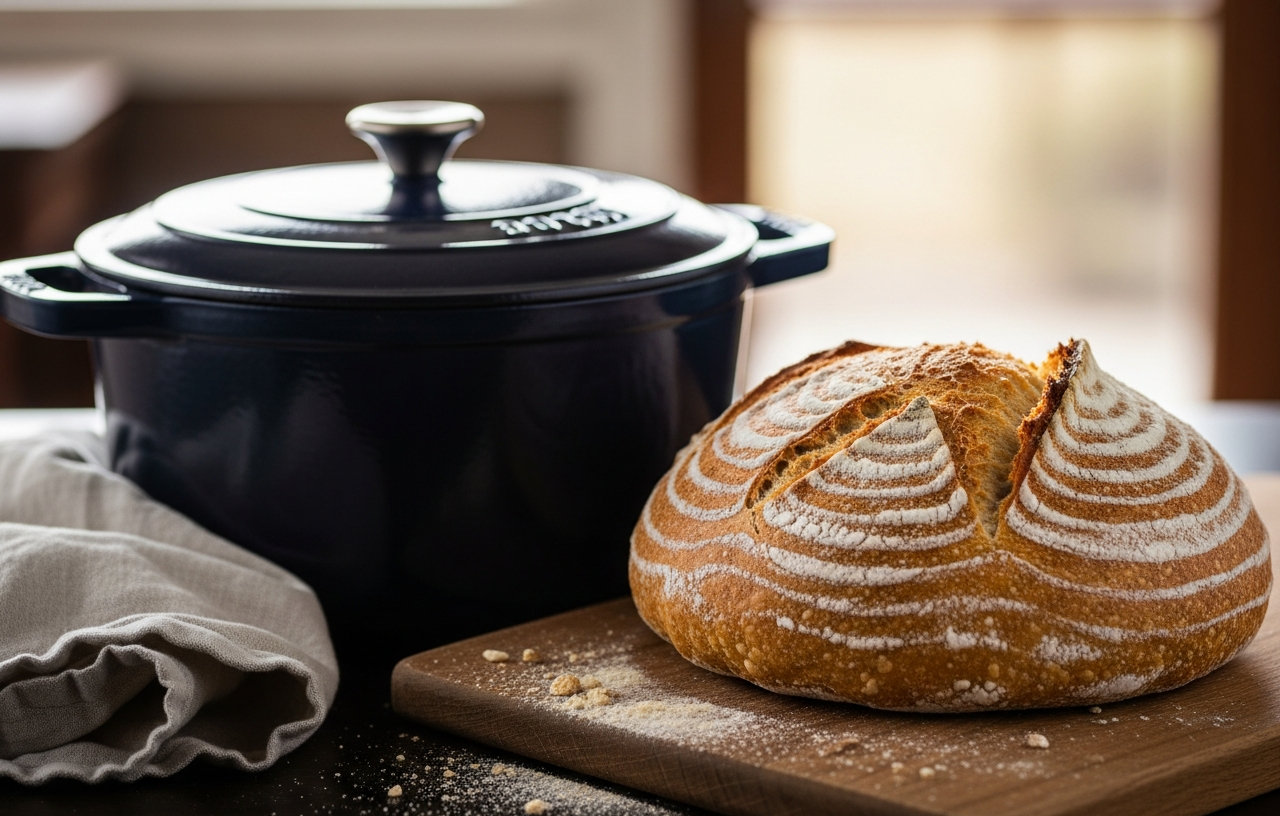
Enameled cast iron, like the Lodge Essential Enamel Cast Iron Dutch Oven, shines in moist heat cooking environments. Its non-reactive surface is ideal for slow cooking stews, braises, and chili, where acidic ingredients simmer for hours. The heavy lid of a Dutch oven creates a self-basting environment, trapping moisture and flavor. It is also a favorite for baking no-knead bread, providing consistent, radiant heat that results in a beautifully crusted loaf. While it can sear, it does not achieve the same intense crust as raw cast iron due to the enamel layer.
Versatility and Durability: long term Considerations
When considering versatility, raw cast iron offers a broader range of applications across different heat sources. This makes it an indispensable tool for outdoor cooking and recipes requiring high, sustained heat. Its durability is legendary. A well-cared-for raw cast iron pan can easily outlast its owner, becoming a cherished heirloom. Minor rust or seasoning issues can typically be resolved with a thorough cleaning and re-seasoning.
Enameled cast iron is highly versatile within the kitchen, performing admirably on all stovetop types (including induction) and in the oven. Its aesthetic appeal also makes it suitable for serving directly at the table. However, its outdoor use is limited due to the enamel's susceptibility to chipping from uneven heat or rough handling. While durable, the enamel coating is the weakest point. A significant impact or thermal shock can cause it to crack or chip. Damage to the enamel is often irreversible and can shorten the lifespan of the cookware, though the underlying cast iron remains functional if the damage is minor.
Final Recommendation
Choosing between enameled and raw cast iron ultimately depends on your cooking style, maintenance preferences, and specific kitchen needs. If you prioritize achieving a perfect sear, value heirloom-quality durability, and do not mind the specific care requirements, the Lodge Seasoned Cast Iron Skillet 10.25 Inches is an exceptional choice. It is a foundational piece of cookware that delivers outstanding performance for high-heat cooking and will serve you for decades with proper care.
If you prefer easier cleanup, need to cook with acidic ingredients frequently, and primarily focus on slow cooking, braising, or baking, the Lodge Essential Enamel Cast Iron Dutch Oven 6 Quarts is an excellent investment. It provides the benefits of cast iron's heat retention in a more user friendly, aesthetically pleasing package. Both options represent quality craftsmanship from Lodge, a trusted name in cast iron cookware, ensuring you receive a durable and effective cooking tool.