Burned food on a cast iron skillet can create a tough, carbonized layer that sticks firmly to the cooking surface. This residue not only impacts the pan's performance but also affects the flavor of future meals. Cleaning a burnt cast iron skillet requires specific techniques to remove the buildup without stripping the pan's vital seasoning.
The goal is to restore the pan's smooth, non stick surface. Aggressive methods can damage the seasoning, which is the polymerized oil layer that protects the cast iron. Learning how to clean a cast iron pan burnt on food effectively means balancing abrasive action with care for the pan's integrity.
Understanding Burnt-On Food and Seasoning
Cast iron skillets develop a natural non stick surface over time through a process called seasoning. This involves baking thin layers of oil onto the pan, which polymerizes into a durable, protective coating. When food burns onto the pan, it creates a layer of carbonized material that adheres to this seasoning. This layer is often dark, flaky, and resistant to standard washing.
The challenge in cleaning a burnt cast iron skillet is removing the burnt food without also stripping away the underlying seasoning. A fully stripped pan will be prone to rust and will require a complete re-seasoning process. A burnt cast iron pot or pan that still has some seasoning underneath the carbonized layer is easier to restore.
Initial Steps: The Basics of Cleaning Burnt Cast Iron
Before resorting to harsh methods, always begin with the gentlest approach. This often works for moderately burnt food and helps preserve your pan's seasoning. Let it sit for a few minutes to loosen any burnt-on bits. Use a stiff nylon brush or a plastic scraper to gently scrub away the residue. Avoid metal scouring pads or steel wool at this stage, as they can scratch the seasoning.
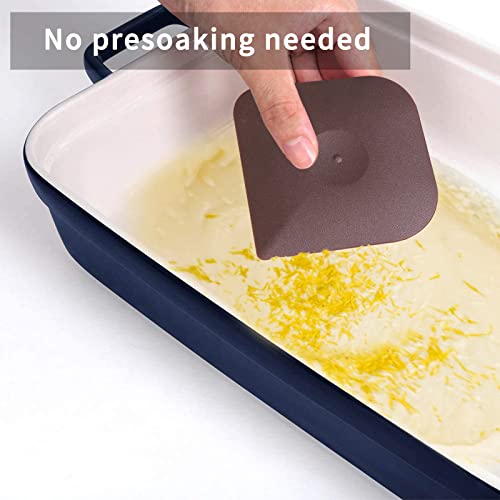
For tougher, but not completely carbonized, food, a Herda Plastic Pan Pot Dish Scraper Tool Set can be very effective. These durable nylon scrapers have different corner sizes, allowing you to get into various angles and curves of your pan. Their flexibility helps dislodge food without scratching the delicate seasoning layer. The lightweight, sturdy design makes them easy to handle.

- ✔ Better Quality - Top-tier quality weighs approximately 11-11.5g per piece,improved durability for.
- ✔ Flexible - The corners of these cast iron scraper are all different sizes so you can get inside all.
- ✔ Compact - pan pot scraper tool set are made of durable nylon. Designed Lightweight, sturdy, does not.
- ✔ Versatile - Cast iron skillet scraper Scraping up mess from pan, pot, dishes,stove top, oven top, pizza.



Drying Thoroughly
After scrubbing, rinse the pan under warm water. It is essential to dry cast iron immediately and thoroughly to prevent rust. You can do this by hand with a clean towel, or by placing the skillet on a burner over low heat for a few minutes until all moisture evaporates. A few drops of cooking oil, wiped with a paper towel, can then be applied to create a thin, protective layer.
Tackling Stubborn Burnt-On Food
When basic scrubbing does not work, you need more aggressive tactics to clean a burnt cast iron pan. It works by physically scraping away burnt material without chemically stripping the seasoning.
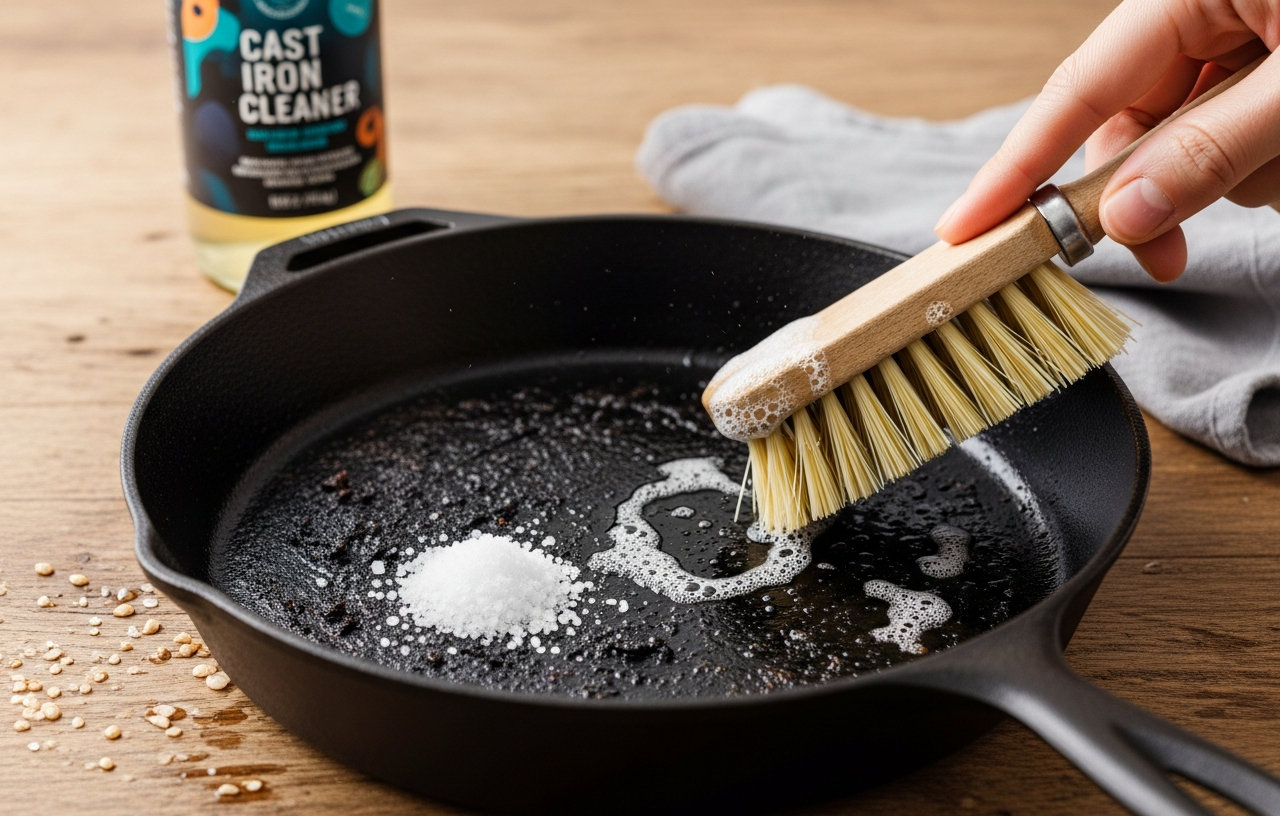
- Add about 1/4 cup of coarse kosher salt to your burnt cast iron skillet.
- Add a tablespoon of cooking oil (such as vegetable or grapeseed oil) to create a paste.
- Using a paper towel or a stiff brush, scrub the salt and oil paste vigorously over the burnt areas. The salt acts as an abrasive, lifting the carbonized food.
- Continue scrubbing until the burnt residue starts to come loose.
- Rinse the pan thoroughly with warm water, making sure to remove all salt particles.
- Dry the pan immediately and completely on the stove over low heat.
- Apply a thin layer of oil as a protective measure.
Boiling Water Method for Heavy Buildup
For extremely stubborn, burnt-on food, boiling water can help loosen the grip of carbonized layers. This method is particularly useful for how do you clean a burnt cast iron pan when the residue is thick and widespread.
- Fill the burnt cast iron skillet with about an inch of water.
- Place the skillet on the stovetop over medium-high heat and bring the water to a rolling boil.
- Allow the water to boil for 5-10 minutes. The boiling action and steam will help to soften and lift the burnt material.
- Carefully pour out the hot water.
- While the pan is still warm, use a plastic scraper or a stiff brush to scrape away the loosened burnt food.
- Rinse, dry thoroughly, and apply a thin coat of oil.
Using a Stainless Steel Chainmail Scrubber
For truly tough, burnt-on messes that resist plastic scrapers and salt, a stainless steel chainmail scrubber is an ideal tool. Its unique chainmail design allows for safe, aggressive cleaning of pre-seasoned pans, griddles, and BBQ grills. Made from durable stainless steel, it will not rust and effectively removes food residue, buildup, and stains. Simply use it with warm water and a little dish soap (if necessary, though many prefer to avoid soap on cast iron) to scrub away the burnt layers. The scrubber's size makes it easy to handle and cover large areas of a burnt cast iron skillet.

- Clean your cast iron pans with the uniquely designed chainmail that allows for safe treatment of pan
- Our chainmail scrubber is made of durable stainless steel that does not rust or scratch the surface of the.
- Using a cast iron cleaner helps to remove food residue, buildup, and stains from your cast iron cookware.
- 8 by 6 inches scrubber doesn't take up much space in a drawer. It is easy to hang on a hook near your sink.


Deep Cleaning and Rust Removal
Sometimes, burnt food can lead to rust, or the burnt layer is so severe that it requires a more thorough cleaning process that might affect the seasoning. If you need to clean a burnt cast iron skillet that also has rust, these steps are for you.
Scrubbing with Mild Soap (Use Sparingly)
While traditional wisdom often advises against soap on cast iron, modern cast iron pans with robust seasoning can tolerate a small amount of mild dish soap for heavy cleaning. If burnt food is deeply embedded, a tiny drop of dish soap combined with hot water and a chainmail scrubber can help. Rinse immediately and thoroughly to remove all soap residue. Remember, the goal is to clean the burnt residue, not to strip the entire seasoning layer.
Addressing Rust Spots
If you encounter rust while cleaning your burnt cast iron pot or pan, it means the seasoning has been compromised. Rust appears as reddish-brown patches. To remove it, use fine steel wool or a rust eraser with a bit of cooking oil. Gently scrub the rusted areas until the rust is gone. This will likely remove seasoning in those spots, so re-seasoning is essential afterward.
Re-seasoning After Cleaning
Anytime you perform a deep clean or remove rust from your cast iron, you will need to re-season it. This step is critical for protecting the pan and restoring its non stick qualities. Neglecting to re-season will leave your skillet vulnerable to rust and cause food to stick.
To re-season, apply a very thin layer of high smoke point oil (like grapeseed, flaxseed, or vegetable oil) to the entire pan, inside and out. Wipe off any excess oil vigorously with a paper towel until the pan looks almost dry. Then, place the skillet upside down in an oven preheated to 450-500°F (232-260°C) for one hour. Turn off the oven and let the pan cool completely inside. Repeat this process 2-3 times for a durable new seasoning layer.
For more detailed instructions, see our guide on How to Season a Cast Iron Skillet: Build a non stick Surface.
Preventing Future Burn Marks
Preventing burnt-on food is easier than cleaning it. Proper cooking techniques and pan maintenance minimize the need for aggressive cleaning.
- Preheat Properly: Always preheat your cast iron skillet slowly and evenly before adding food. A properly preheated pan reduces sticking.
- Use Enough Oil: Ensure you use enough cooking oil or fat to coat the bottom of the pan adequately for the food you are cooking.
- Control Heat: Cast iron retains heat very well. Often, medium or even medium-low heat is sufficient for most cooking tasks. High heat can quickly burn food and damage seasoning.
- Clean After Each Use: Promptly clean your skillet after each use with warm water and a stiff brush, then dry and lightly oil it. This prevents minor buildup from becoming major problems.
- Maintain Seasoning: Regularly maintain your pan's seasoning. A well-seasoned pan is less likely to have food stick and burn.
When to Call a Professional or Replace Your Pan
For most home cooks, the methods described above will be sufficient to clean a burnt cast iron skillet. Professional cast iron restoration services do exist, but they are rare and can be costly, typically ranging from $30 to $50 or more for a deep clean and re-seasoning. This cost often exceeds the price of a new basic cast iron skillet, which can range from $20 to $60 for an 8-10 inch pan. Therefore, it is usually more economical to attempt restoration yourself or simply replace the pan if it is severely damaged.
If your cast iron pan is rusted through, has significant cracks, or is warped beyond repair, it is time to consider replacement. Minor surface rust and burnt-on food are almost always salvageable with patience and the right tools. However, structural damage means the pan is no longer safe or effective for cooking.