Stainless steel pans offer superior heat retention and durability, yet food sometimes adheres stubbornly to their surface. This is a common issue for many home cooks, especially those transitioning from nonstick cookware.
Understanding Why Food Sticks to Stainless Steel
Food sticking to a stainless steel pan usually points to one of several common kitchen practices. Stainless steel does not have a nonstick coating; instead, it relies on proper cooking technique to create a temporary nonstick surface. When this technique falters, food bonds directly with the metal.
Improper Heat Management
One of the most frequent reasons food sticks is incorrect pan temperature. A pan that is not hot enough when food is added will cause food to bond to the cold metal surface. Conversely, a pan that is too hot can burn food quickly, leading to residue that adheres firmly.
To prevent this, preheat your stainless steel pan over medium heat for several minutes. A simple test involves flicking a few drops of water into the pan. If the water immediately evaporates, the pan is not hot enough. If the water forms small, shimmering beads that dance across the surface (the Leidenfrost effect), the pan is ready. If the water evaporates instantly with a loud sizzle, the pan is too hot; remove it from the heat, let it cool slightly, then try again.
Insufficient Oil or Fat
Even a perfectly preheated pan needs a layer of fat. Oil or butter creates a barrier between the food and the pan's surface. Without enough fat, or if the fat burns off too quickly, direct contact between food and metal occurs, leading to sticking. Use an oil with a high smoke point, such as grapeseed, canola, or avocado oil, for searing at higher temperatures.
Crowding the Pan
When you add too much food to a pan, especially cold food, it drastically drops the pan's temperature. This prevents proper searing and instead causes the food to steam. Steamed food releases moisture, which can glue it to the pan's surface rather than allowing it to develop a crust and release naturally. Cook in smaller batches to maintain consistent pan temperature and achieve a good sear.
Not Letting Food Release Naturally
Many foods, particularly proteins like chicken or fish, will stick initially as they cook. As the Maillard reaction (browning) occurs, a natural crust forms, and the food will release from the pan on its own. Trying to force food off the pan before it is ready often tears the food and leaves stuck-on bits. Be patient; wait for the food to develop a golden-brown crust, and it will typically lift easily with a spatula.
How to Get Burnt-On Food Unstuck from Stainless Steel Pans
Even with perfect technique, sometimes a mess happens. Burnt-on food and stubborn residue require more than just hot, soapy water. Here are effective strategies and products to clean off even the toughest stuck-on food.
Soaking and Deglazing
For moderately stuck food, start with soaking. Fill the pan with hot water and a few drops of dish soap, then let it sit for at least 15-30 minutes, or even overnight. The hot water helps to soften the burnt residue. For tougher spots, you can gently heat the soapy water on the stovetop for a few minutes, bringing it to a simmer. This can sometimes loosen even severe messes.
Deglazing is another technique. After removing most of the food, pour a small amount of water, wine, or broth into the still-warm pan. Use a wooden spoon or spatula to scrape up the stuck-on bits. The liquid helps release the browned bits, which can also be used to create a flavorful sauce.
Using Abrasive Scrubbers for Tough Messes
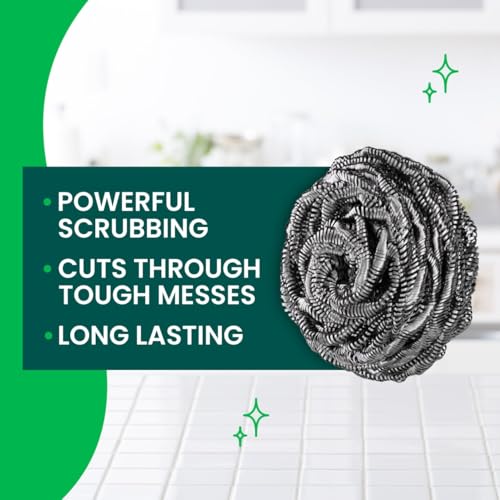
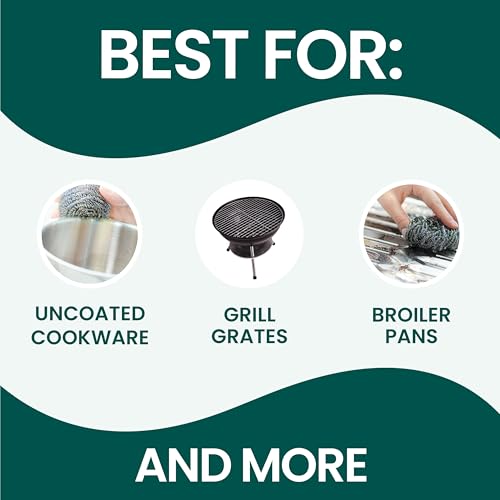
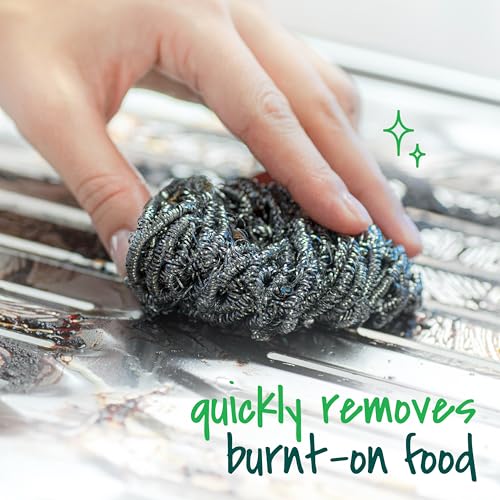
When soaking and deglazing are not enough, a physical abrasive is necessary. For truly stubborn, baked-on messes, a strong physical abrasive is needed. Scotch-Brite Stainless Steel Scrubbers These metal scrubbers help clean grease, grime, and dirt effectively. They are suitable for cleaning dishes and other kitchen surfaces, making even the messiest pans shine like new. This pack includes 3 scrubbers, offering a durable solution for repeated tough cleaning tasks.

- This pack of Scotch-Brite Stainless Steel Scrubbers includes 3 scrubbers
- These stainless steel kitchen scrub pads for dishes cut through and remove tough soil and burnt-on food fast
- Each scouring pad cleans grease, grime, and dirt so even the messiest surfaces will shine like new
- These scrub pads are best for tough stains on non-coated cookware, grill grates, oven racks, broilers, and.

Specialized Cleansers for Burnt-On Food and Stains
Sometimes, the sticking is not just about physical residue but also about discoloration, rust, or embedded stains. For these situations, a chemical cleaner formulated for stainless steel can make a significant difference.
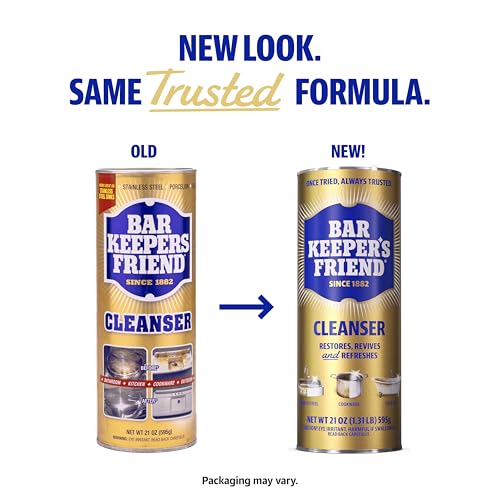
When food residue becomes more of a stain or tarnish, or if you notice rust spots, a chemical cleaner can be highly effective. Bar Keepers Friend Powder Cleanser is a multipurpose cleaner known for eliminating stubborn rust stains and burnt-on food. It works well on stainless steel, aluminum, brass, bronze, copper, and ceramic. This concentrated powder can restore burnt cookware like pots and pans, making it a versatile option for various kitchen cleaning needs. A 12-ounce pack, often sold in packs of two, provides ample cleaning power.

- All Purpose Cleaner for Everyday Cleaning: Concentrated powder cleanser eliminates stubborn rust stains.
- Works Across Multiple Surfaces: Suitable for stainless steel, aluminum, brass, bronze, copper, ceramic.
- Room-By-Room Cleaning Power: In kitchens, this multi surface cleaner restores burnt cookware like pots and.
- Concentrated Bathroom Cleaner: Remove soap scum from tubs and tile while removing rust stains from toilet.


For a cleaner specifically formulated for cookware, Bar Keepers Friend also offers its Superior Cookware Cleanser & Polish. This product is a stainless steel cleaner and degreaser designed to remove stains, tarnish, rust, and lime from pots and pans. Like other Bar Keepers Friend products, it cleans without bleach, which is beneficial for maintaining stainless steel's integrity. It is an excellent choice for regular maintenance and restoring the shine of frequently used cookware.

- Bar Keepers Friend Cookware Cleanser & Polish is a stainless steel cleaner and degreaser for pots, pans.
- Remove stains, tarnish, rust & lime
- BKF products clean without bleach- better for stainless steel
- Clean cookware, kitchen & bathroom surfaces


When using these cleansers, always follow the manufacturer's instructions. Apply a small amount to a wet pan, scrub with a non-abrasive sponge or cloth (or a stainless steel scrubber for heavy duty jobs), and rinse thoroughly. For mineral deposits or rainbow stains, a simple solution of white vinegar and water can often remove them. Mix equal parts white vinegar and water, simmer in the pan for a few minutes, then wash as usual.
Preventive Measures for Stainless Steel Cookware
Preventing food from sticking is easier than cleaning up a big mess. Adopting consistent cooking habits will keep your stainless steel pans performing their best.
- Proper Preheating: Always allow your pan to preheat sufficiently before adding oil or food.
- Adequate Oil: Use enough oil to coat the bottom of the pan. Swirl it around to make sure the entire cooking surface is covered.
- Temperature Control: Learn to adjust your burner to maintain a consistent medium heat. High heat is rarely needed for everyday cooking on stainless steel.
- Don't Overcrowd: Cook in batches when preparing larger quantities of food.
- Clean Thoroughly: After each use, clean your pan properly. Residue left behind can lead to sticking in future cooking sessions.
When to Consider Professional Help or Replacement
Most issues with stuck food on stainless steel pans are resolvable at home. However, there are instances when a pan might be beyond simple cleaning or repair. If your pan is severely warped, has deep pitting from corrosion, or if heavy scrubbing has scratched the surface extensively, it might be time to consider replacement. Warping affects heat distribution, leading to uneven cooking and more sticking.
Professional cleaning services for cookware are rare and typically not cost effective for most home cooks. A new quality stainless steel skillet might cost $50 to $150, making replacement a more practical option than specialized repair for a heavily damaged pan. If you are unsure about the extent of damage, you can consult with a kitchenware specialist for advice, though they will likely recommend replacement if the structural integrity is compromised.
For more information on choosing the right cookware, consider reading our guide on Stainless Steel vs Nonstick Cookware.