What a Good Dutch Oven Costs: From Budget to Premium
A good enameled cast iron Dutch oven costs between $60 for a durable, entry-level model and $450 for a premium, French-made heirloom. The vast price gap is not about marketing. It is about material quality, enamel durability, manufacturing precision, and warranty. While a $70 pot and a $400 pot can both produce a fantastic beef stew, the more expensive option is built to last for generations with superior performance.
Understanding what you get at each price point is the key to buying the right Dutch oven for your kitchen. You do not need to spend a fortune to get a great pot. But knowing where the money goes helps you make a smart investment.
The Budget Tier: Under $100
The sub-$100 category is where most people start, and for good reason. These Dutch ovens are workhorses that offer incredible value. A typical 5 to 6-quart enameled Dutch oven in this range will cost between $60 and $100.
Brands like Lodge, Tramontina, and Cuisinart dominate this space. The pots are almost universally made from cast iron manufactured and enameled in China. They perform the core functions of a Dutch oven perfectly. They sear meat, simmer stews, braise vegetables, and bake crusty bread with no issues. For many home cooks, a pot from this category is all they will ever need.
The primary tradeoff at this price is the quality and longevity of the enamel coating. The enamel on budget pots tends to be thinner and applied with less precision than on premium models. This makes it more susceptible to chipping, especially around the rim where the lid makes contact. It can also develop fine cracks, known as crazing, from rapid temperature changes. Staining is also more common, particularly with light-colored interiors.
Lid fit can be another small compromise. While generally heavy and effective, the seal might not be as perfectly tight as on a high end pot. This can lead to slightly more moisture evaporation during a long braise, though the difference is often minor for most recipes.
Despite these points, a budget Dutch oven is a fantastic purchase. It is a low-risk entry into slow cooking and bread baking. If you treat it well, avoiding metal utensils and extreme temperature shocks, it can last for many years. Raw cast iron Dutch ovens, which require seasoning and more maintenance, can be found for even less, often around $40 to $70.
The Mid-Range Tier: $100 to $250
The mid-range market, typically priced from $100 to $250, represents a significant step up in quality without reaching the heirloom price tag. This category includes direct-to-consumer brands like Great Jones and Milo, as well as higher-end lines from established companies.
What does the extra money buy? First and foremost, better enamel. The coatings are generally thicker, applied in more layers, and more resistant to chipping and staining. The color palettes are often more modern and varied, moving beyond the standard primary colors found in the budget tier. The overall fit and finish are noticeably better. Rims are smoother, handles are more ergonomic, and the pot often feels more balanced.
The performance also sees an upgrade. The casting process for these pots is often more refined, leading to more consistent wall thickness. This promotes more even heating and reduces the chance of hot spots. Lids are typically designed for a tighter fit, improving moisture retention for succulent braises and roasts. Some brands in this tier may also offer improved warranties over the standard one-year policies common with budget models.
This price point is ideal for the serious home cook who uses a Dutch oven regularly but cannot justify the cost of a premium brand. You get a durable, beautiful, and high-performing piece of cookware that should last for a decade or more with proper care. It bridges the gap between pure utility and luxury craftsmanship.
The Premium Tier: $300 and Up
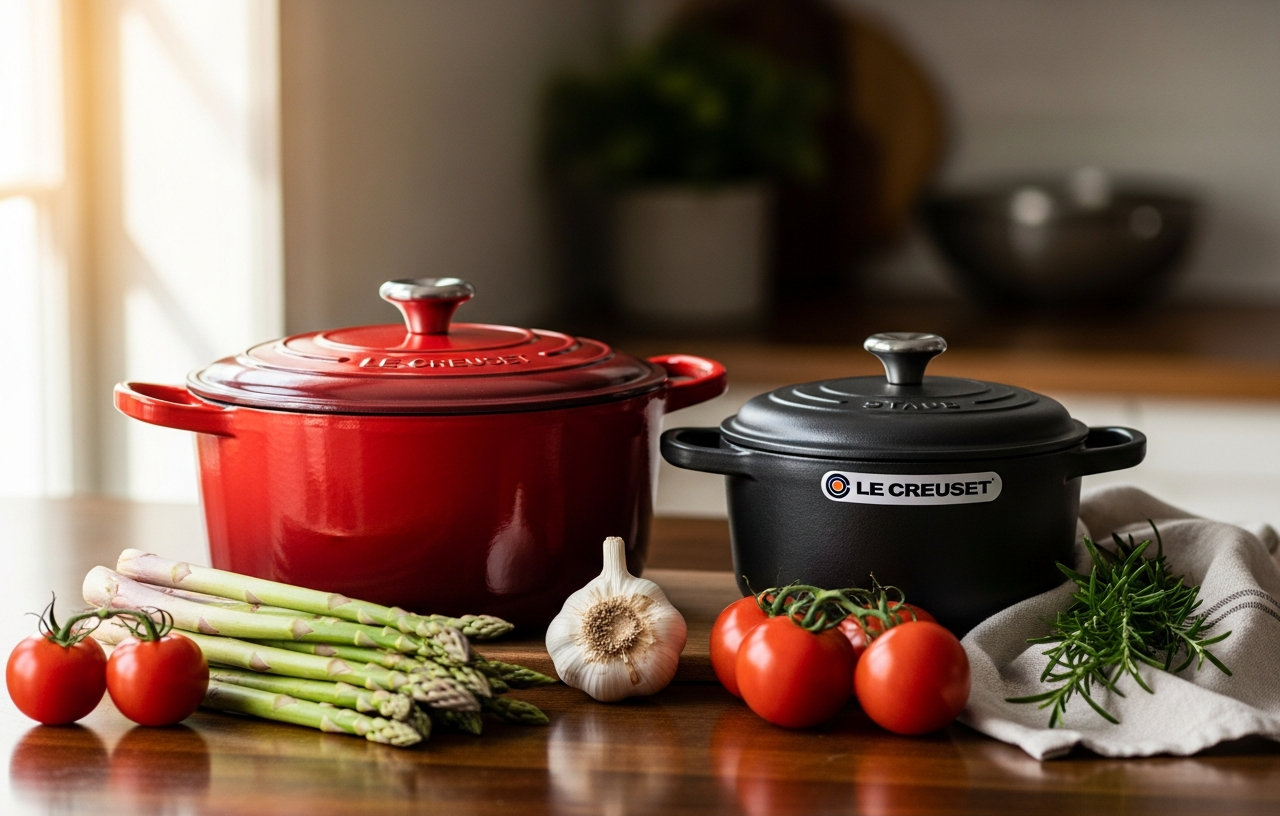
At the top of the market are the heritage brands, primarily Le Creuset and Staub. A 5.5-quart round Dutch oven from these French manufacturers typically costs between $380 and $460. This is a significant investment, and it buys a level of quality and performance that is unmatched.
The cost is rooted in manufacturing. Both Le Creuset and Staub still produce their cast iron cookware in France, adhering to exacting quality control standards developed over nearly a century. The cast iron molds are used only once, creating a unique piece every time. The enamel is the biggest differentiator. It is applied in multiple layers and fired at extremely high temperatures, creating a finish that is exceptionally resistant to chipping, cracking, and thermal shock. It cleans up easily and resists stains for years.
Performance is flawless. The heavy, tight-fitting lids are engineered for maximum moisture and flavor retention. Staub lids feature a unique self-basting system of small spikes on the interior that continuously drip condensed moisture back onto the food. Le Creuset pots have a signature sand-colored interior that makes it easy to monitor fond development, which is the browned bits that form the base of many sauces and stews.
Heat distribution and retention are perfect. These pots heat evenly and hold that heat for a very long time, making them ideal for everything from deep frying to serving at the table. Finally, these pots come with a lifetime warranty from companies that have proven they will stand behind their product. A Le Creuset or Staub Dutch oven is a true "buy it for life" item that is often passed down through generations.
For more details on how these two top brands compare, you can read our complete analysis. Staub vs Le Creuset: Which Dutch Oven Should You Buy?
A Deeper Look at What You Pay For
The price of a Dutch oven is not arbitrary. Specific features and processes contribute directly to the final cost. Understanding them helps clarify why one pot costs $70 and another costs $400.
Enamel Quality and Application
This is the single biggest factor. Premium enamel is a type of glass coating fused to the iron. The process is complex. high end brands apply at least two, and often three or more, separate layers. Each layer is fired at a high temperature. This multi-layer system creates a deep, vibrant color and a surface that is extremely durable. It resists chipping from accidental bangs, crazing from temperature changes, and staining from acidic foods like tomatoes.
Budget enamel is often a single, thinner coat. It provides a non-reactive surface but lacks the resilience of a multi-layer application. It will function well initially, but it is far more likely to show wear and tear over time.
Lid Fit and Design
A Dutch oven works by trapping steam. A heavy, tight-fitting lid is essential. In premium manufacturing, the pot base and lid are machined together to create a near-perfect seal. This precision costs money. Budget pots have lids that are heavy enough to do the job, but small gaps are more common. Advanced features like Staub's self-basting spikes also add to the complexity and cost of manufacturing.
Country of Origin
Manufacturing in Western Europe, particularly France, involves higher labor costs, stricter environmental regulations, and more expensive raw materials compared to manufacturing in China. This geographic difference is a significant part of the price gap between brands like Le Creuset and most budget-tier options.
Brand Reputation and Warranty
A lifetime warranty is only as good as the company offering it. Brands like Le Creuset and Staub have been in business for nearly 100 years. Part of their price includes the confidence that they will be around to honor their warranty. This long term customer support and brand trust are built into the cost of the product.
Is a $400 Dutch Oven Worth the Investment?
For most home cooks, the answer is no. A $70 Lodge enameled Dutch oven is an excellent piece of cookware that can produce meals just as delicious as one from a pot costing six times as much. The law of diminishing returns is very real. The performance jump from a $70 pot to a $400 pot is not as dramatic as the price jump suggests.
So who should buy a premium Dutch oven?
- The Passionate Cook: If you use your Dutch oven multiple times a week, the superior durability, easier cleanup, and subtle performance advantages of a premium pot become more valuable.
- The Aesthete: These pots are beautiful. For those who value kitchen design and want cookware that doubles as a serving piece, the iconic look and stunning colors of a Le Creuset or Staub can be worth the price.
- The Legacy Builder: If you want to buy one pot that will last your entire life and can be passed on to the next generation, a premium Dutch oven is the clear choice. It is an investment in quality that pays off over decades.
A budget Dutch oven is the perfect choice for beginners, infrequent users, or anyone on a strict budget. It allows you to explore this method of cooking without a major financial commitment. You get 90% of the performance for 20% of the price. That is a hard value proposition to beat.
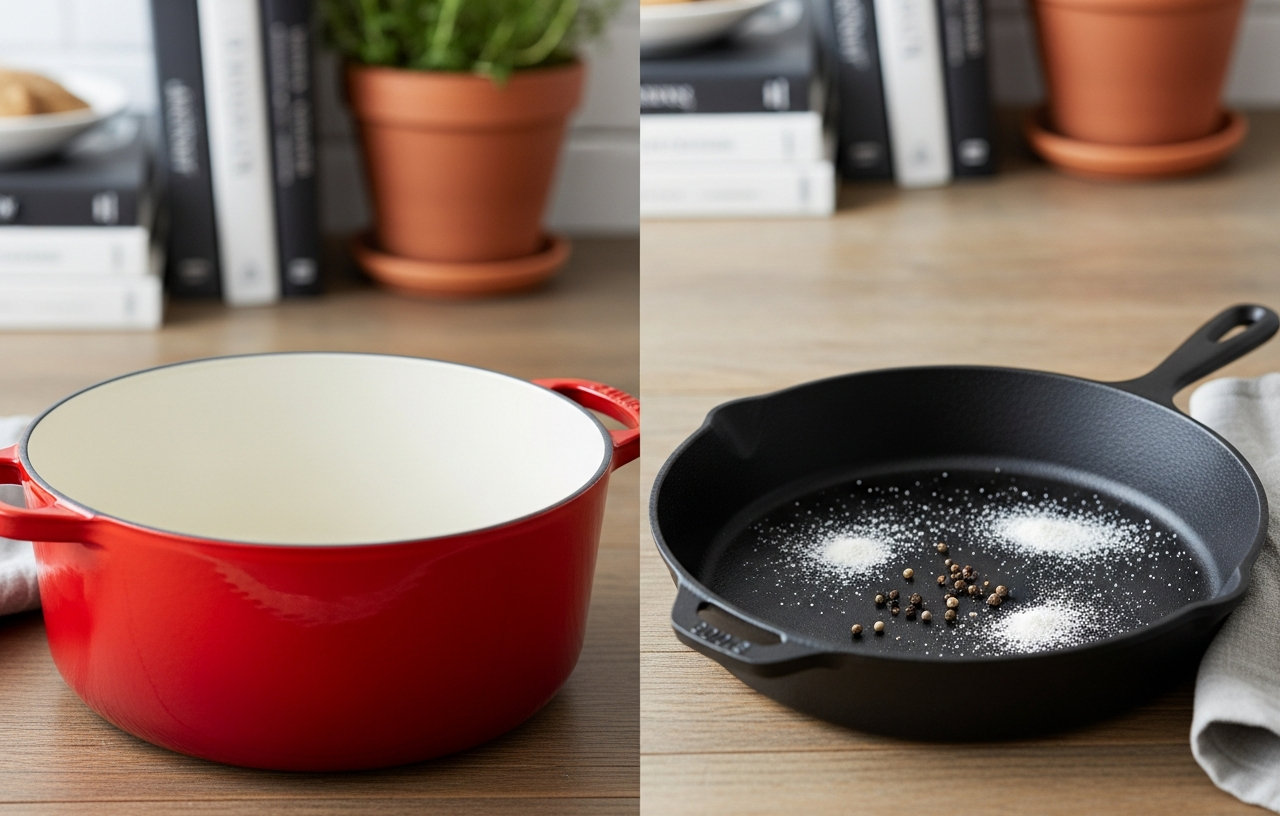
For those trying to decide on the material itself, it can be helpful to understand the core differences between enameled surfaces and traditional raw cast iron. Enameled vs. Raw Cast Iron: Choosing the Right Cookware