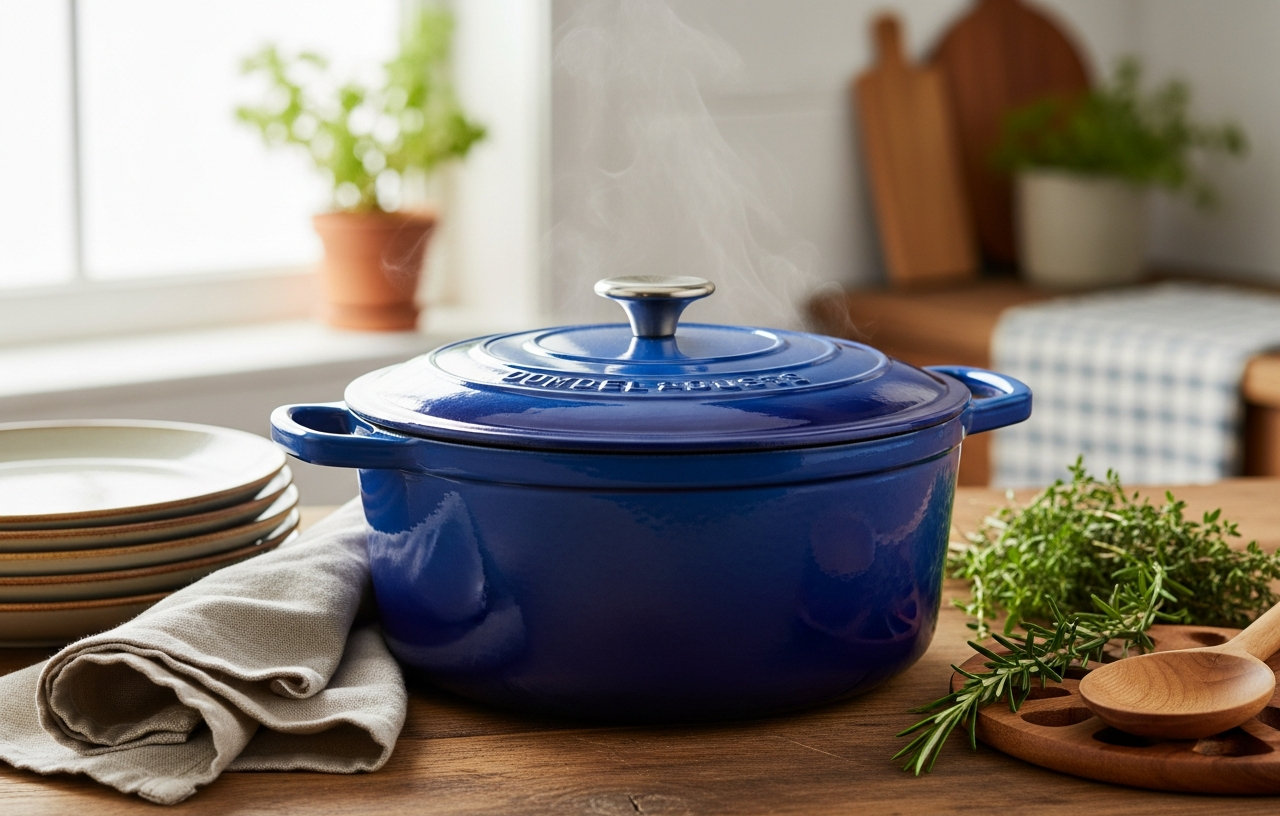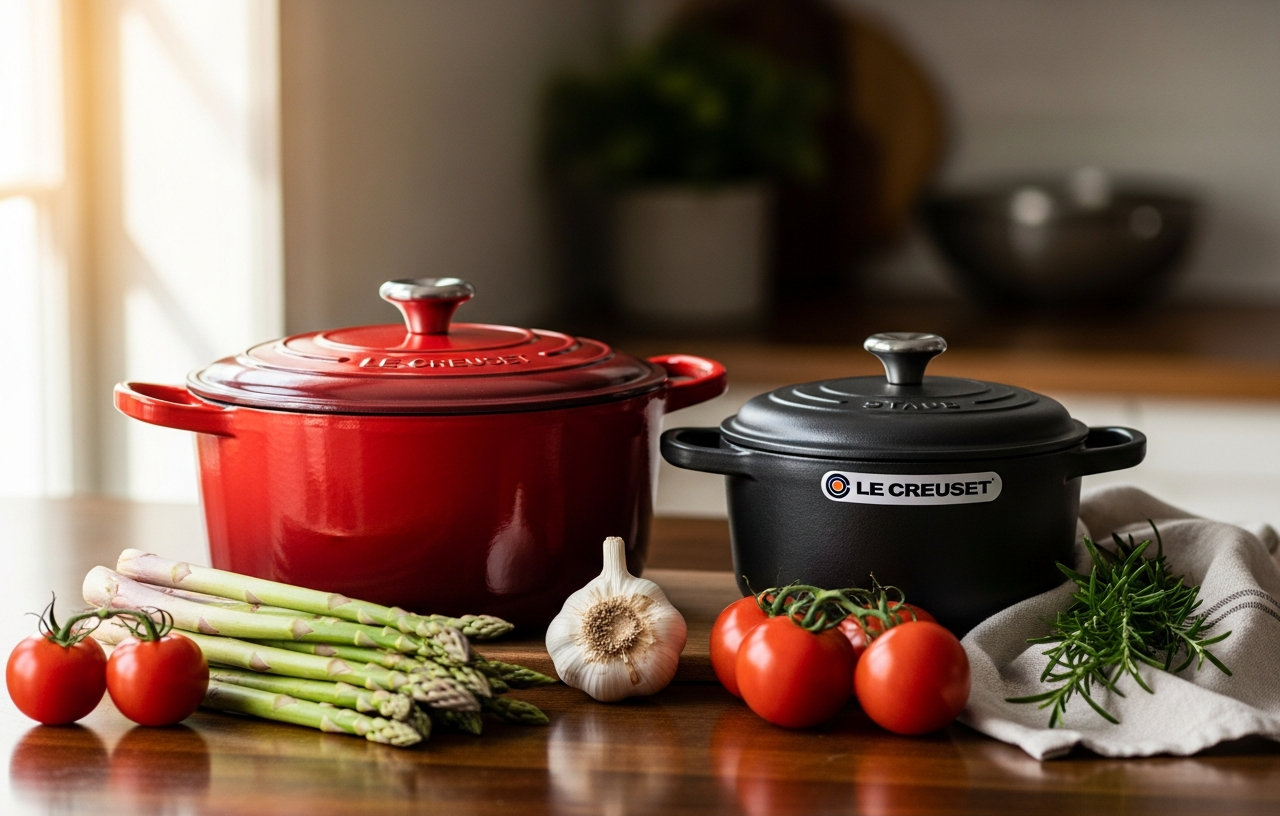
A Le Creuset Dutch oven typically costs between $250 and $400, a significant investment for any kitchen. Understanding whether this premium price tag translates to long term value involves evaluating its durability, performance, and potential maintenance costs over decades of use. For many home cooks, the question is not just about the initial outlay, but what that money buys in terms of cooking quality, longevity, and the overall experience.
The brand's reputation for heirloom quality often precedes it. Le Creuset pieces are known for their vibrant colors and classic design. However, the true value lies beneath the surface, in the materials and craftsmanship that dictate how they perform and endure.
The Initial Investment: What You Pay for Le Creuset
Le Creuset cookware comes with a premium price tag, reflecting its construction and brand legacy. A 5.5-quart round Dutch oven, a flagship product, generally sells for $300 to $420, depending on the retailer, color, or any promotional sales. Larger sizes, like a 7.25-quart model, can push prices to $380 to $480.
Other popular pieces also fall within distinct price ranges. A 10.25-inch signature skillet typically costs $180 to $260. Rectangular casserole dishes or bakers can be found for $100 to $200. Smaller items, such as a 1-quart saucepan, might be $150 to $220. These prices reflect the heavy-gauge cast iron, the multi-layer enamel finish, and the rigorous manufacturing process.
Factors influencing these prices include the specific collection (Signature vs. Classic), special edition colors, and the retailer. While Le Creuset is widely available, prices remain relatively consistent across different vendors, with occasional sales offering modest discounts. This consistent pricing underlines the brand's perceived value and market position.
Le Creuset's Durability and Longevity: A long term Value
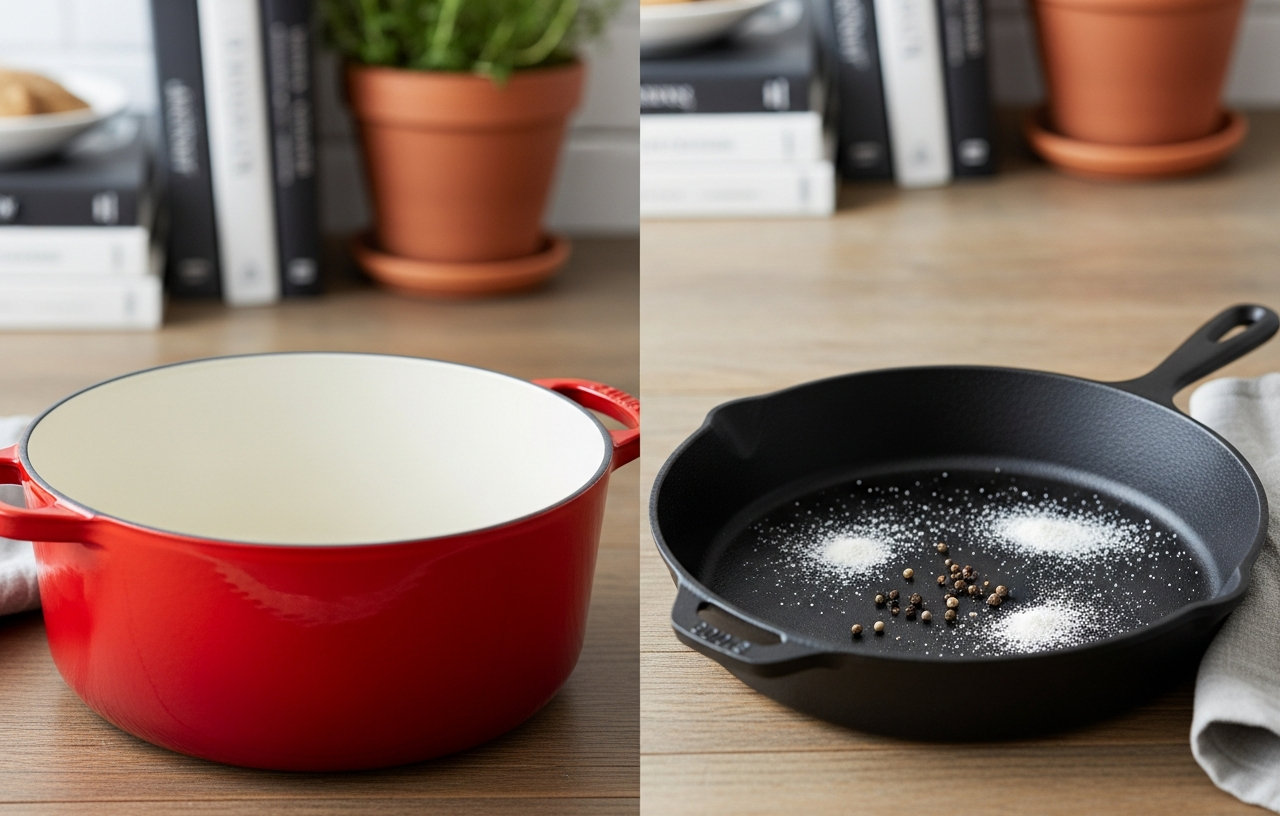
One of the strongest arguments for Le Creuset's value is its exceptional durability and expected longevity. These pieces are crafted from high quality cast iron, known for its ability to retain and distribute heat evenly. The cast iron core is then coated with multiple layers of durable enamel, both inside and out. This enamel finish is non-reactive, making it safe for acidic foods and preventing the need for seasoning, unlike raw cast iron.
With proper care, a Le Creuset Dutch oven can last for decades, often becoming an heirloom passed down through generations. This long lifespan means that while the initial cost is high, the cost per year of use can be quite low when amortized over 20, 30, or even 50 years. Cheaper enameled cast iron alternatives, while appealing initially, may chip or degrade faster, necessitating replacement sooner. This makes the initial investment in Le Creuset a more economical choice in the long run for many cooks.
The brand also offers a limited lifetime warranty. This warranty covers defects in material and workmanship for the lifetime of the original owner. This commitment to quality further reinforces the idea that Le Creuset is built to last, providing an additional layer of value and buyer confidence.
For more details on the differences in cast iron types, you can read our guide on Enameled vs. Raw Cast Iron: Choosing the Right Cookware.
Realistic "Repair" Scenarios and Costs for Le Creuset
While Le Creuset cookware is incredibly durable, accidents and wear can happen. Understanding what can be "repaired" and what constitutes replacement is important for evaluating its long term cost.
Chipped Enamel: Prevention is Key (Not a Repair)
The most common concern with enameled cast iron is enamel chipping. This usually occurs due to impact, such as dropping the pot or hitting it against a hard surface. Extreme thermal shock, like moving a very hot pot directly to cold water, can also contribute to enamel damage. Once the enamel chips, especially on the cooking surface, it exposes the raw cast iron underneath. This exposed iron can rust and react with acidic foods.
Unfortunately, chipped enamel is not a repairable issue for home cooks or professional technicians. The enamel is fused to the cast iron at very high temperatures during manufacturing. Any significant chip means the integrity of the cooking surface is compromised. If a chip occurs on the exterior or rim and does not affect food safety, some cooks might continue using the pot. However, if the chip is on the interior cooking surface, it's generally recommended to replace the piece for safety and performance reasons.
The cost of replacing a Le Creuset Dutch oven due to severe enamel damage would be the full purchase price, $250 to $400 or more. This emphasizes the importance of proper care and handling to prevent chipping. Always use wooden, silicone, or plastic utensils, avoid abrasive cleaners, and handle the heavy pot with care.
Replacing a Lid Knob: A Common DIY Fix
Unlike enamel chips, a broken lid knob is a genuine repair scenario for Le Creuset cookware. However, if exposed to higher temperatures or subjected to impact, they can crack or break.
Le Creuset sells replacement knobs directly, typically ranging from $15 to $25 for a new phenolic or stainless steel knob. Third-party sellers on online marketplaces may also offer compatible options, sometimes at a slightly lower price point.
The process involves unscrewing the old knob and screwing on the new one. You usually only need a Phillips head screwdriver. No specialized tools are required, and the repair can be completed in under five minutes. There is no need to hire a technician for this type of repair. The cost savings of DIY are clear here, as a professional would charge a service fee likely far exceeding the cost of the part itself. This simple fix extends the life of your pot without significant expense.
Performance Benefits Justifying the Price
Beyond durability, Le Creuset's cooking performance plays a significant role in its perceived value. The heavy cast iron construction provides incredibly even heat distribution across the bottom and up the sides of the pot. This prevents hot spots, leading to more consistent cooking results, whether you are searing, simmering, or baking.
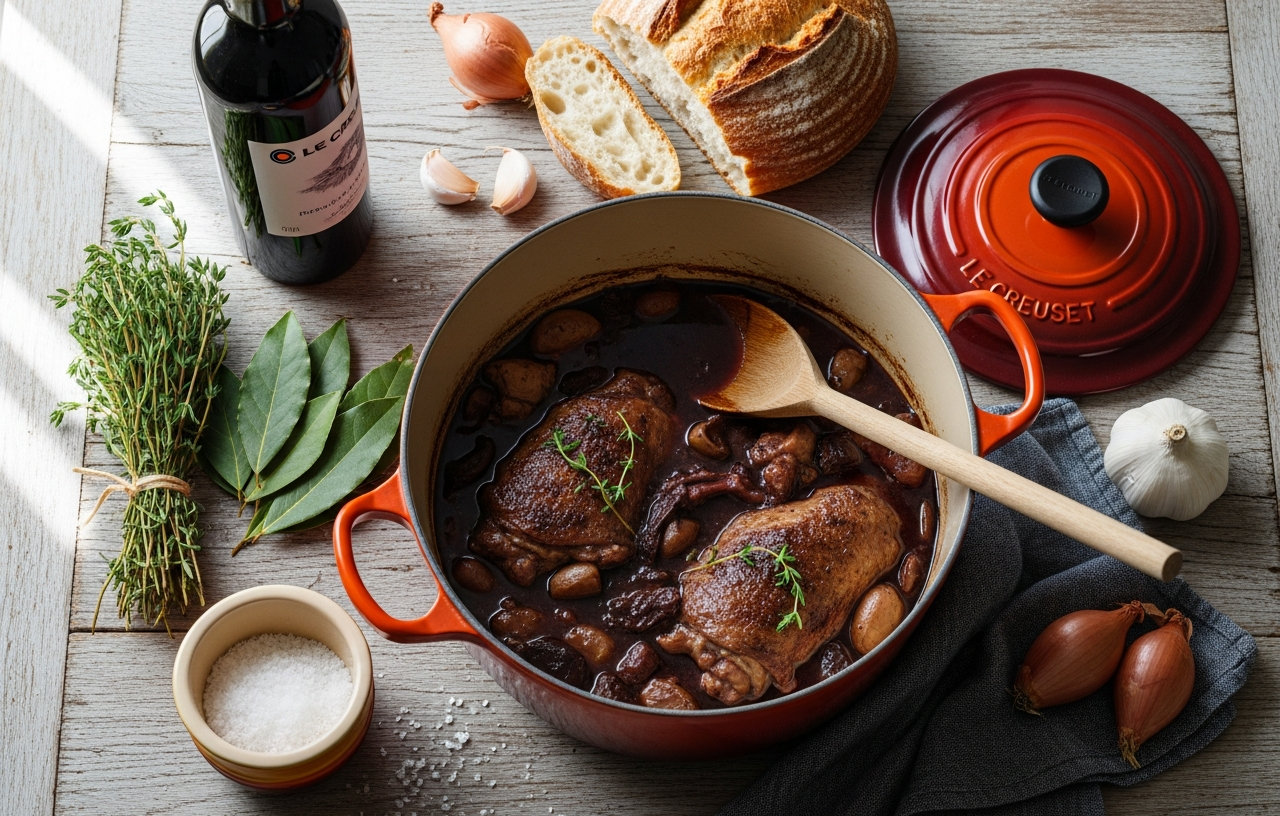
Cast iron also excels at heat retention. Once hot, it stays hot, making it ideal for slow cooking methods like braising, stewing, and baking bread. This steady heat helps develop richer flavors and more tender textures. The tight-fitting lid on Dutch ovens further traps moisture and heat, creating a self-basting environment perfect for roasts and stews.
The smooth, non-reactive enamel interior makes Le Creuset incredibly versatile. It can be used on any stovetop (including induction), in the oven, under the broiler, and even in the refrigerator or freezer for storage. The enamel also makes cleanup easy. Food generally releases with minimal effort, and the surface resists staining and absorbing odors. These performance advantages make cooking more enjoyable and contribute to better culinary outcomes, making the initial investment worthwhile for many.
Le Creuset vs. Alternatives: A Cost-Benefit Analysis
When considering if Le Creuset is worth the price, it's essential to compare it to other cookware options. There are generally two main categories of alternatives:
-
Cheaper Enameled Cast Iron: Brands like Lodge, Cuisinart, and Tramontina offer enameled cast iron Dutch ovens and skillets at a significantly lower price point, often ranging from $50 to $150 for a similar-sized Dutch oven. These can be good entry-level options. However, based on product specs and user reviews, their enamel coatings may not be as thick or durable as Le Creuset's, potentially leading to chipping or cracking sooner. They might also have less consistent heat distribution due to variations in cast iron quality or enamel application. While the upfront cost is lower, the potential for a shorter lifespan or less reliable performance needs to be factored in.
You can find more information on other options in our Best Dutch Ovens: Umite Chef Enameled Cast Iron for Braising and Baking article.
-
Stainless Steel Cookware: high quality stainless steel cookware sets typically cost $200 to $600 for a multi-piece set. Individual pieces like a stock pot might range from $80 to $200. Stainless steel is durable, lighter than cast iron, and excellent for many cooking tasks. However, it does not retain heat as well as cast iron, making it less ideal for long, slow braises or baking bread. While versatile, it offers different cooking properties. For specific tasks where cast iron excels, like searing and maintaining high, even heat, stainless steel may not provide the same results.
To learn more about the differences, read our guide on Stainless Steel vs Nonstick Cookware: Which Is Better?.
Ultimately, the cost-benefit analysis hinges on your cooking needs, frequency of use, and budget. Le Creuset offers a combination of durability and performance that many find justifies the higher initial cost over a lifetime of cooking.
Is Le Creuset Worth the Price for You?
Deciding if Le Creuset is worth the price depends on your individual cooking habits, priorities, and budget. For frequent cooks who regularly prepare stews, braises, soups, or bake bread, the investment often pays off. The superior heat retention and even distribution make a noticeable difference in cooking results, and the durability means you won't need to replace it for many years.
Those who value heirloom quality, beautiful design, and a lifetime warranty will also find Le Creuset a worthwhile purchase. It's a piece of cookware that can be relied upon daily and passed down through generations. The ease of cleaning and versatility add to its appeal for cooks who want a single, high-performing pot for many tasks.
Conversely, for occasional cooks, those with very limited budgets, or individuals who prioritize lighter weight cookware, cheaper alternatives might be a more practical choice. While they may not offer the same level of durability or precise heat management, they can still perform adequately for basic cooking needs.
The cost of Le Creuset is significant, but its value is found in its longevity, consistent performance, and the joy it brings to the cooking process. For many, it's not just a pot; it's a foundation for a lifetime of delicious meals.